
Small actions often snowball into big time-savers. Discovering simple household shortcuts, like prepping meals or setting phone reminders, can transform daily routines into smooth habits without causing stress.
Everyone wants more breathing room in their schedule. When practical household shortcuts actually take root, they don’t add extra steps—they clear the way for relaxation, focus, and simple joy throughout your day.
Lean into these micro lifestyle skills and see which household shortcuts naturally fit your routine. Browse ahead for actionable tips, step-by-step guides, and easy tweaks to keep your days flowing and your spaces under control.
Streamline Your Morning With Repeatable Routines
Setting up a consistent morning routine ensures that your day starts smoothly and with minimal hiccups. This approach saves decision-making energy and prevents stressful delays before heading out.
For reliable household shortcuts, focus on micro-actions—like packing your work bag and prepping breakfast items the night before—that take little time but pay off right away each morning.
Breakfast Prep: The Night Before Advantage
Lay out breakfast bowls, cereal, and fruit after dinner. This small shortcut guarantees a stress-free start. Say aloud, “Bowls are ready, make mornings easy,” as a reminder cue, making your shortcut stick.
Chop fruit or measure out ingredients in containers. Clear the counter for morning use so you walk into an organized kitchen. Visible readiness encourages you and your family to keep the habit up.
Pair this with setting your coffee maker timer or placing your mug nearby. The routine becomes automatic, lowering groggy decisions and preserving willpower for later in the day.
The Power of a Launch Spot by the Door
Establish a basket or tray near the door for essentials: keys, wallet, mask, or umbrella. Each evening, refill or check these items. Place a sticky note nearby if you tend to forget rare necessities.
This shortcut’s power lies in consistent location. Announce, “Keys and wallet, every time by the door,” as you use your launch spot. Making it part of your leaving-the-house ritual builds dependability fast.
If clutter creeps in, make a quick scan part of your end-of-day cleaning. Five seconds glancing at the launch pad maintains utility without adding chores or mental clutter to your day.
| Shortcut | What You Need | Time to Set Up | Try This Next |
|---|---|---|---|
| Nightly Breakfast Setup | Bowl, spoon, food containers | 3 minutes | Pre-fill water bottles too |
| Bag Packing Ahead of Time | Work bag, checklist | 2 minutes | Lay out clothing too |
| Launch Spot by Door | Tray or basket | 2 minutes | Add charger dock |
| Timer on Coffee Maker | Coffee maker with timer | 1 minute | Stash coffee supplies close |
| Weather Reminders | Phone or sticky note | 1 minute | Check forecast nightly |
Speed Up Cleaning With Microbursts and Visual Cues
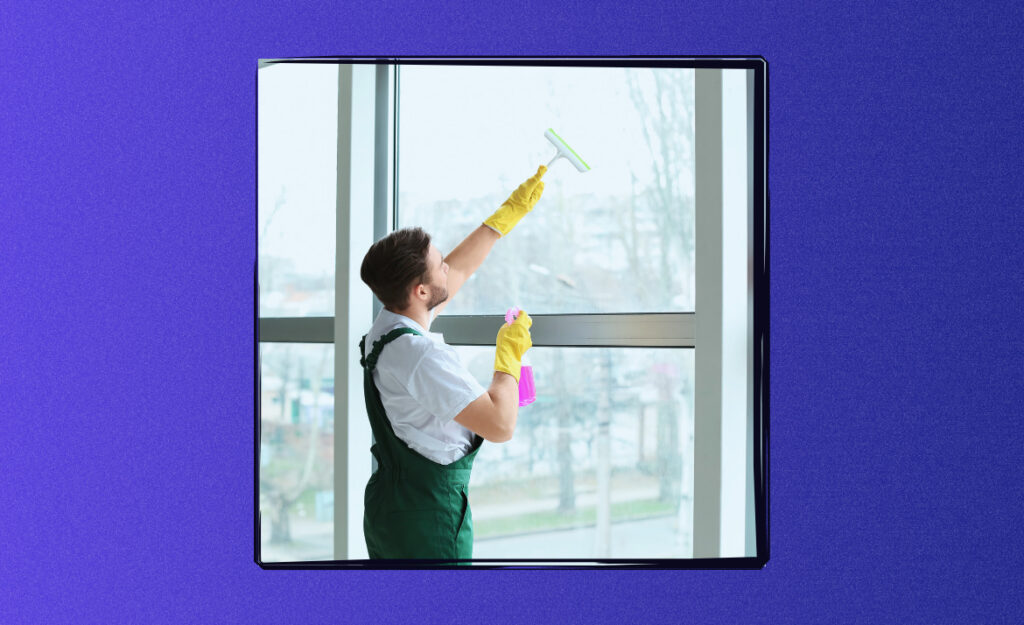
Microbursts of cleaning—small, focused efforts—break overwhelming tasks into bite-sized, manageable routines. Visual cues, like placing a basket at the stairs or a cloth by the sink, prompt immediate action throughout the day.
Layer these household shortcuts to maintain spotless surfaces and tackle mess as it appears. Pick shortcuts that match your personality for higher consistency and staying power.
Microbursts in Action
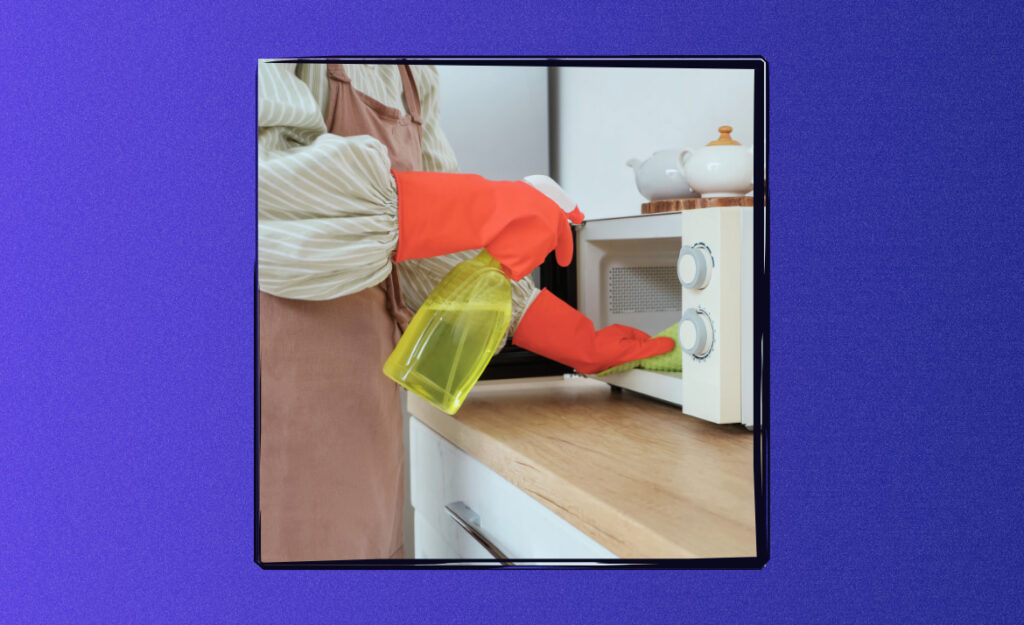
Wipe counters with a ready cloth after each meal. Make a rule: “Done eating, quick swipe.” Interacting with the shortcut regularly builds muscle memory and a lasting habit, keeping your kitchen welcoming.
- Place dirty dishes in the washer right after use. This reduces kitchen clutter and keeps the sink free for other chores, encouraging a tidy environment daily.
- Keep a dust cloth tucked behind electronics for quick dusting during commercials. This action clears dirt before it’s visible and makes TV time more productive without feeling forced.
- Sweep entryways before leaving the house using a small broom by the door. It signals transition and prevents dirt from traveling further inside, saving future cleaning effort.
- Hang a multi-hook rack for reusable shopping bags and set a habit to empty bags as soon as you return. This eliminates clutter and forgotten perishables from lingering.
- Set a timer for 10 minutes each night for a turbo clean: everyone tidies one area with no distractions. The family dynamic brings energy and friendly accountability to daily resets.
Return items to their original place right after use. Use the phrase, “Put it back to keep it simple,” to reinforce the shortcut. The more immediate the action, the less tidy-up is needed later.
Visual Clue Placement
Use a tray or basket in high-traffic zones as a drop-off for miscellaneous items. This reduces surface clutter and makes quick tidying part of walking through your living areas rather than a separate chore.
- Stick a removable label to your laundry basket reminding you of laundry days. When the basket fills up, the visual cue makes the task non-negotiable and prevents overflow.
- Place a stack of microfiber cloths by the bathroom mirror. Use immediately after each use to prevent spots, making bathroom maintenance a background habit rather than a weekend project.
- Hang a reminder note on your reusable water bottle to refill nightly. You both hydrate and keep the kitchen counter clear by developing this easy end-of-day shortcut.
- Keep a lidded bin by the entry for shoes. Labeling and regular reminders help the family adopt this shortcut and keep floors cleaner without constant nagging or sweeping.
- Post a color-coded chart showing which child straightens which living room section on certain days. The clear, visual breakdown teaches automatic responsibility, freeing your mind from the chore calendar.
Make use of accessible reminders you can’t ignore. Sticky notes, color-coding, and physical placement are powerful in making household shortcuts second nature and effort-free.
Create Effortless Meal Planning Systems
Habit-building around meal prep removes dinnertime stress and ensures you eat well without scrambling. Automating this process with tangible steps and rules means you’ll rarely get caught by surprise at 6 p.m.
Pair familiar foods with fresh ones for a balanced, easy routine. These household shortcuts make meal planning attainable, even when time and energy run low.
Pre-scheduled Menu Planning
Pick a weekly day and time—such as Sundays at noon—to sit down for menu planning. Use a notepad or whiteboard visible in your kitchen so the step never gets skipped.
Create repeating meal themes. For example, “Monday pasta, Tuesday tacos, Wednesday stir fry.” This shortcut narrows decisions and helps the whole household anticipate and pitch recipe ideas, adding variety within consistent structure.
Pair shopping list creation with your planning session. Add needed staples immediately for fewer forgotten items. This two-step shortcut lets you breeze through the store and skip extra midweek trips.
Batch Cooking on Your Best Energy Day
Designate a ‘batch cook’ window on a day when you have the most energy—maybe Saturday afternoon, not Sunday night. Stream music or an audiobook to make it enjoyable and signal the new routine to your brain.
Choose two proteins and two starches to cook in advance. For example, “Chicken and beans, rice and potatoes.” Portion these for grab-and-go meals, multiplying the value of your shortcut throughout the week.
Freeze half the prepared portions. Say “Freeze now, eat later” to lock in leftovers as a shortcut for busy evenings. Your future self benefits from past you’s planning and foresight.
Do Quick Decluttering Sweeps by Zone
Decluttering in five-minute sessions by specific zones lets you tackle overwhelm before it starts. Assigning each area a specific day keeps the mess manageable and shortcut adoption realistic.
Visualize each zone—desk, coffee table, entryway—as a mini project. Focusing attention here, even briefly, leads to more lasting habits and less end-of-week frustration about scattered items.
Tidy Desk in Three Quick Moves
Clear off used mugs and wrappers as your final work action. Tell yourself, “Desk is clear, work is done,” cementing closure and keeping tomorrow’s start calm and clutter-free.
Stack papers in a labeled tray or file as soon as you finish. The tactile motion of filing is satisfying and lays groundwork for household shortcuts across your workspace.
Wipe your mouse and keyboard with a disinfectant cloth in the same breath. Doing this together as a three-part sequence makes hygiene and tidiness inseparable and self-reinforcing.
Entryway Reset: Nightly Five-Minute Rule
Set a recurring phone alarm at the same time every evening—perhaps when dinner’s done. Instruct your household, “It’s entryway time, five minutes only.” Kids and adults alike benefit from predictability and light structure.
Pairs split tasks: one does floors, another handles shoes and mail. The division shortens work and encourages routine. Emphasize quick wins instead of perfection, linking positive feelings to the shortcut.
Finish by switching out the day’s shoes and dropping them in their bin. This physical act closes the cleaning loop and ensures a tidy start for the next day’s comings and goings.
Optimize Laundry With Predictable Micro Habits
Adopting fixed laundry micro habits turns a dreaded chore into a simple, manageable part of the routine. Spaced apart, these shortcuts are more likely to last and less likely to overwhelm busy days.
Small, regular steps like sorting, folding, or putting away while watching TV prevent buildup. Using reminders or color-coding can divide responsibility and remove the guesswork from shared laundry tasks.
- Sort by color and wash type immediately upon undressing. This shortcut prevents last-minute sorting and makes loading faster the next laundry day, making it both efficient and consistent.
- Assign a laundry basket per person and label each one. At folding time, put clean clothes straight into each person’s basket to eliminate post-laundry pileups and speed up the return to drawers.
- Fold while watching a favorite show, turning downtime into productive minutes. This combo makes the task feel less like work and more like a background habit built into relaxation.
- Hang shirts as soon as they’re dry instead of piling them on a chair. Introduce a personal cue: “Dry, hang, done.” The shortcut maintains wrinkle-free clothes and a clear space.
- End each laundry session by prepping for the next: clean lint trap, refill detergent. This step means your future self always inherits a ready, hassle-free setup for the next load.
Maintain Shared Spaces With Collaborative Shortcuts
Shared living areas stay peaceful with tailored household shortcuts everyone follows. Build mutual habits—like set times for resetting a living room or swapping kitchen cleaning nights—that balance fairness with predictability and prevent misunderstandings.
Document common shortcuts on a central board or group chat. These visual or digital prompts allow quick reference and reinforce both structure and accountability, making household cooperation smooth and effective.
Weekly Reset Session: Make It Fun
Pick a weekly time, such as Sunday afternoon, for a group reset. Assign fun music or snacks to the session, transforming chores into a casual, shared event instead of a burden or competition.
Rotate who leads the session so everyone learns the systems. Hearing family members say, “Your turn to start the playlist!” cues not just music but engagement and positive peer pressure.
Celebrate the session’s end—cheer, swap high-fives, or check chores off together. Finishing on a positive note embeds the shortcut as a rewarding communal habit, encouraging buy-in over time.
Keep Shortcuts Sticking For the Long Haul
Consistency transforms small household shortcuts into permanent lifestyle improvements. Integrate new shortcuts only after old ones are running smoothly; this prevents overload and plants each habit deeply.
Spot sticky household shortcuts by their absence—if skipping them makes the day harder, they’ve worked their way into the fabric of your routine. This realization protects the habit from falling away when motivation dips.
Adapt shortcuts to life shifts. Kids’ new schedules, changed work hours, or moving homes may require editing established routines. Flexibility is key to keeping the core principle of household shortcuts alive through seasons of change.
Frequently Asked Questions
How do I make new household shortcuts stick for longer than a week?
Start with one shortcut at a time and link it to an existing habit, such as brushing your teeth or making coffee. Visual reminders—like sticky notes or phone alerts—increase consistency until the shortcut feels automatic.
What’s the best way to introduce shortcuts to reluctant family members?
Share the shortcut’s benefit in their terms, demonstrating a quick win (like saved time or more fun together). Involve them in creating the rule and let each person own their part to increase cooperation.
Which household shortcuts should I try if I have limited time?
Choose shortcuts requiring less than five minutes, such as prepping breakfast bowls, doing a ten-minute nightly tidy, or labeling laundry baskets. These quick wins offer immediate relief without disrupting packed schedules.
How can I recover if old shortcuts fade away?
Revisit your routine and identify which shortcuts made life easiest. Restart with the most effective one, using fresh cues or reminders, and layer others back in gradually as the first becomes habitual.
Can shortcuts work in small apartments or with roommates?
Yes, tailor household shortcuts to shared spaces and storage limits. Keep rules simple, post shared reminders, and ask roommates to agree on which micro-habits to keep everyone organized with minimal effort or friction.