Most people think keeping a tidy home means major overhauls or endless hours cleaning, but the truth is, little tweaks can have a major impact. Introducing small changes across your routine gets results with much less effort. Simple shifts in placement, timing, and habits can help streamline home maintenance for good.
Home feels lighter when cleaning, organizing, and repairs blend into your daily movements instead of piling up. Small changes embedded in your micro lifestyle skills—those actions you do almost unconsciously—let you handle tasks before they become overwhelming jobs. You wind up freeing time and mental energy for the things you care about.
This article reveals proven adjustments anyone can make to reduce mess, keep organization simple, and ease upkeep. Explore practical tips, examples, and action steps to transform your entire home with small changes—one everyday habit at a time.
Establishing ‘One-Minute Rules’ That Cut Down Clutter Instantly
Setting one-minute rules helps you deal with mess as it happens, instead of letting tasks snowball. Whenever something takes less than sixty seconds, do it right away. This method makes small changes part of what you already do, not another list to manage.
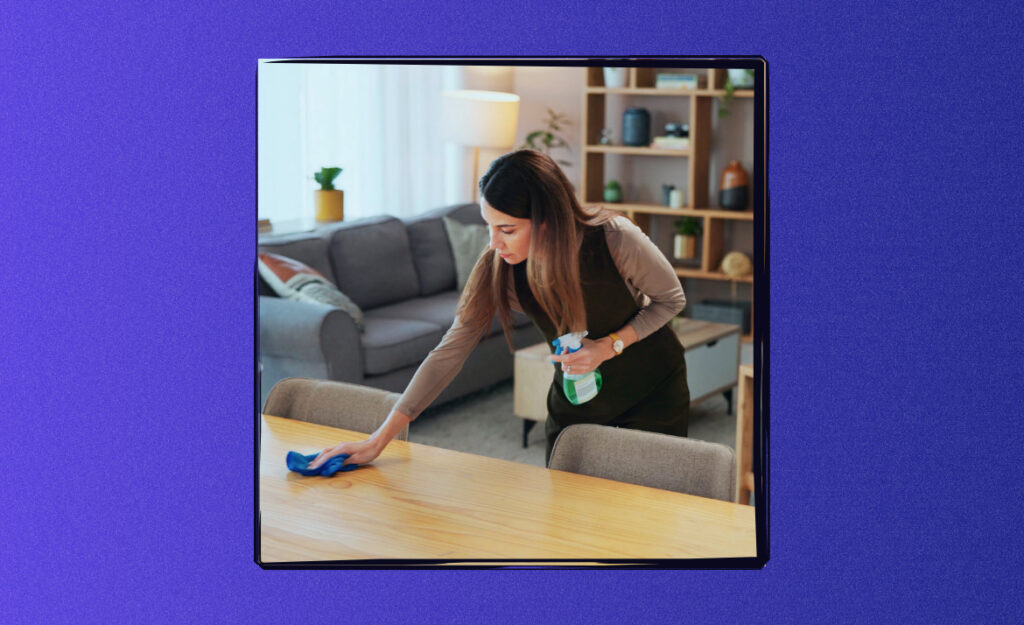
Examples of these one-minute actions include wiping kitchen counters after prepping food, returning shoes to their spot as you arrive, or sorting incoming mail at the entry table. Over a week, these small changes dramatically cut visible clutter and stress.
Your Kitchen in Action: Keep Surfaces Ready for Use
After using kitchen spaces, wipe the counter and return tools to their drawer; this way, cooking feels inviting. Small changes like this let you always find what you need and streamline meal prep, motivating you to keep at it.
Even a habit as small as rinsing a dish and setting it in the dishwasher instead of the sink gives you an immediate visual reward. You’ll start noticing how less piles up, keeping every kitchen session calm and efficient.
Once you try small changes—say storing utensils upright near your main prep space—you realize daily kitchen resets happen almost on autopilot. The kitchen stays ready for action, not for extra cleaning later.
Bedroom Reset: Quick Steps for Evening Calm
Each night, take a minute to clear your nightstand and tuck clothes back in their place. These small changes signal to your brain that the day is ending, helping you wind down and wake up to order instead of stress.
Place a bin for loose items near your dresser. Use it for quick toss-ins as you prepare for bed. The next day, these small changes make it easy to sort items where they belong—no more frantic searches for keys or socks.
After a week, you’ll notice your mornings feel smoother. By stacking one-minute tasks like folding a throw or placing shoes by the door, these small changes save lots of time and start your day on the right note.
| Room | One-Minute Rule Example | Visual Cue | Takeaway |
|---|---|---|---|
| Kitchen | Wipe counter after use | Sponge by the sink | Prevents sticky messes later |
| Bedroom | Tuck away shoes as you enter | Shoe tray by the door | Reduces morning clutter |
| Bathroom | Squeegee shower doors post-use | Squeegee on a hook | Avoids soap scum buildup |
| Living Room | Fold throw blankets nightly | Basket for throws | Sets a tidy tone before bed |
| Entryway | Sort and recycle junk mail | Recycle bin near entrance | Keeps surfaces clear daily |
Staging Items Strategically for Everyday Grab-and-Go Simplicity
Keeping daily use items where you use them minimizes double-handling and loss. It’s not only about organizing, but making micro shifts so that small changes become invisible helpers during routines.
When you stage things like dog leashes by the door or bathroom wipes beside the toilet, you save brainpower and avoid running back and forth. The home starts to support you without extra mental energy.
Functional Entry: Make Leaving and Returning Painless
Install a wall hook for keys, a charging tray for your phone, or a bin for outgoing mail on a console table. These small changes make every entrance and exit quicker, with fewer forgotten items.
- Hang a key rack beside the door: Lets you drop keys in their place every time, which ends those sticky morning searches for lost keys.
- Place a charging station in the entry: Keeps your devices powered, so you leave home with a full battery and no cord confusion.
- Stash a reusable shopping bag at the exit: This means you never have to double back for bags on grocery runs, saving you unnecessary trips.
- Use a shallow dish for loose change or sunglasses: Eliminates random clutter and ensures you grab what you need in a single trip.
- Place an umbrella stand by the door: Prevents wet floors and ruined entry rugs by keeping weather gear contained and in reach.
Try combining several of these small changes together. When you group related items, your entryway becomes self-explanatory: drop, charge, grab, and go in one smooth motion.
Bathroom Repeats: Keep Cleaners Where They Get Used
Store an all-purpose spray under the sink and a microfiber cloth on a low hook for quick wipe-downs. Because the supplies are within reach, these small changes turn weekly scrubbing into a 30-second afterthought each morning.
- Install a towel hook behind the door: Keeps towels from piling up so anyone knows where to hang theirs after use.
- Put a toothbrush holder on the mirror: Ensures brushes air-dry away from sink splash, which improves hygiene without extra effort.
- Keep spare toilet paper in plain sight: Saves guests from hunting or calling for help at the worst moment—just stack rolls in a pretty basket.
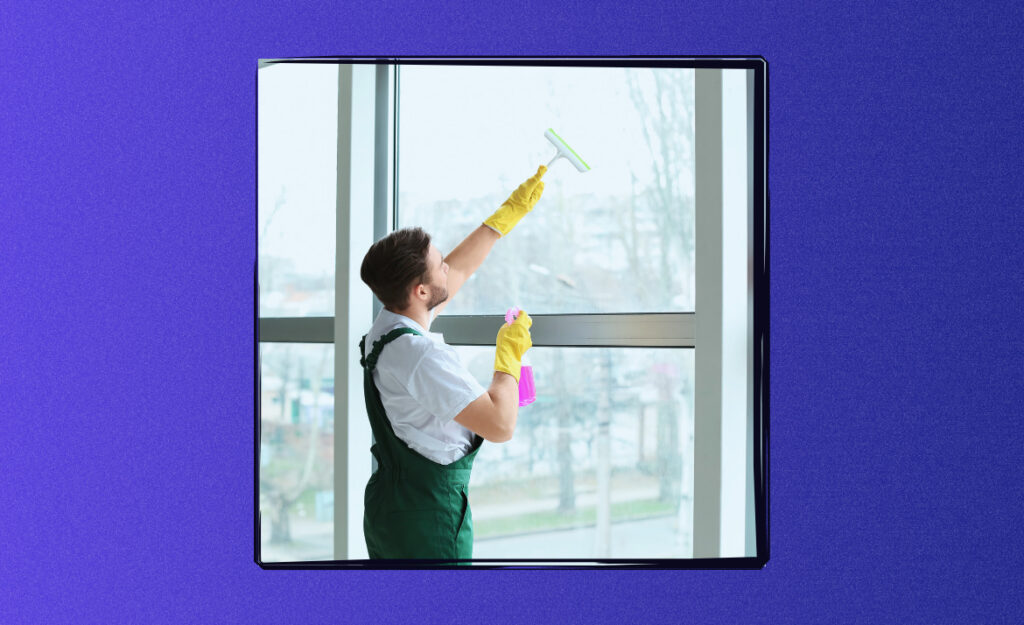
- Mount a squeegee in the shower: A quick swipe each time keeps glass spotless, eliminating long cleanup sessions later on.
- Use a covered wastebasket: Stops odors and makes trash easy to toss in, so it never piles up on counters.
With these small changes, everyone in the household stars to pitch in without being asked. It becomes easy to do the right thing the moment you see an opportunity.
Designing Micro-Zones: Direct Every Object to Its Purposeful Spot
Creating micro-zones means specific spots for activities: such as “drop zone” for mail, “charging zone” for electronics, or “cleaning station” for supplies. This eliminates guesswork about where things go.
When small changes shape your space, everyone knows: remotes go in the media basket, and hats land on the hallway shelf. Visual anchors reduce friction and train better habits almost automatically.
Mini-Station for Pet Supplies: Feed and Walk Without Frantic Searching
Create a pet corner with a dedicated tote for leashes, waste bags, and treats. Hooks at the right height make grabbing what you need a two-second job, not a scavenger hunt.
With chew toys in a lined basket, family members cue the dog for walks and never trip on scattered bones. These small changes transform chaos into smooth routines that anybody can handle.
Label bins or shelves if their use isn’t obvious. This way, guests and kids alike reinforce your system instead of undoing it when pitching in during busy days.
Mail and Paperwork: End Countertop Overload
Allocate a basket just for incoming mail and a standing file for bills. The second you get new paper, it lands in the correct spot instead of spreading around.
A visible shredder encourages immediate action: junk mail goes straight in, not onto counters or drawers. This small changes routine trains you to clear surfaces without a second thought.
Create a weekly calendar reminder labeled “Mail Reset” and tackle the pile on the same day, every week. The consistency sticks, and you sidestep late payments or lost forms altogether.
Making Cleaning and Maintenance ‘Autopilot’ With Smart Habits
Shifting maintenance routines off of your internal “to-do” list makes upkeep automatic and low-effort. By folding small changes into recurring moments, you prevent buildup rather than scramble to catch up later.
Think of wiping the bathroom counter after brushing your teeth, or always stretching out the shower curtain to prevent mildew. Each action adds up over a week, radically reducing deep-clean days.
Mini-Clean as You Cook: Kitchen Stays Enjoyable
Keep an empty bowl for scraps and wrappers on the counter; push everything in as you cook, then dump it when done. Small changes like this eliminate messy surprises after meals.
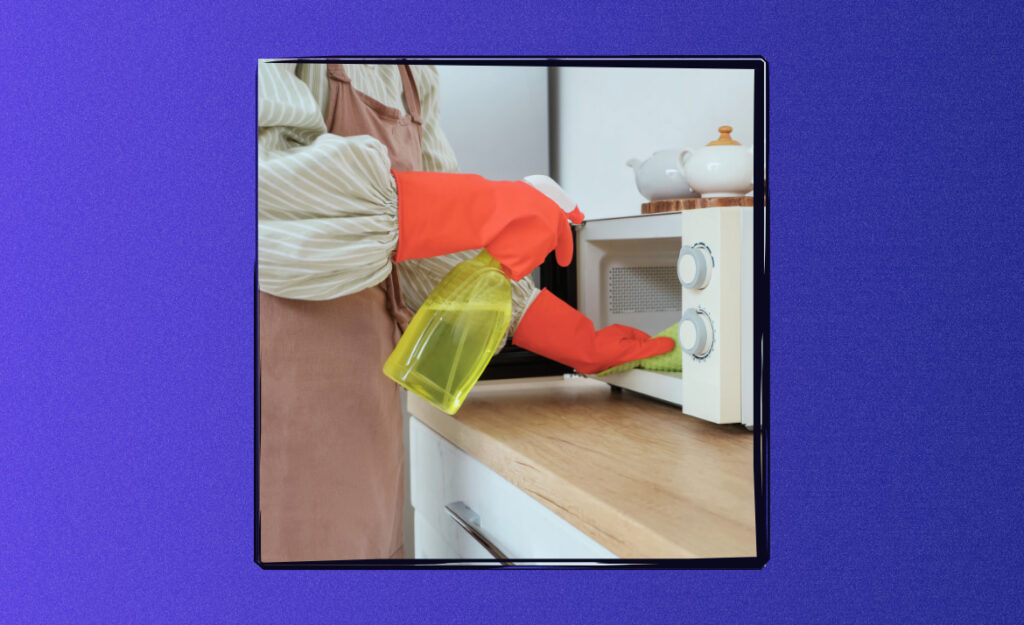
Spray down your stovetop while it’s still warm from dinner prep. Spills lift right off, meaning future meals start on a clean surface. This encourages you to cook more small meals throughout the week.
Replace cloth dish towels daily—grab one in the morning, toss in the wash at night. These tiny changes help avoid kitchen odors and make your routine almost invisible.
Laundry Folding While You Watch TV: Productivity Without Effort
Carry a laundry basket to the living room and fold during your favorite show. This small changes habit connects fun with productivity, making laundry disappear before it ever becomes a mountain.
Make it a game: predict how many shirts you’ll fold during one episode. When the family joins in, everybody’s done before the closing credits. The sense of camaraderie is a bonus.
Set an alarm for 10 minutes before bedtime as a cue to return clean, folded laundry to closets. These small changes cement order as you unwind, not as an extra chore later.
Reducing Decision Fatigue: Prepare the Night Before for Smoother Mornings
Laying out tomorrow’s essentials the night before cuts morning stress and stops you from making dozens of tiny decisions before breakfast. Think of it like prepping for a flight—small changes make your ‘takeoff’ smooth.
Put your go-to mug by the coffee maker, pack lunch leftovers in a clear grab-and-go container, and check your bag for keys and headphones. The less you scramble, the more confidently the day starts.
- Set out clothes after dinner: Decision made, so you don’t wake up and stare into the closet for an hour. This lets you enjoy your morning coffee in peace.
- Pack bags before bedtime: Avoids late-night scurrying or forgetting essentials. Small changes like this mean you always feel put-together leaving home.
- Preload breakfast ingredients: Pour oats in a bowl, set out fruit or protein bars nearby. Already prepped, you eat healthier with no fuss.
- Charge electronic devices overnight: Reduces panic over dead phones or tablets, making travel to work or school seamless.
- Review your to-do list: Structure your day in advance, removing your need to decide on the go and minimizing chance of last-minute problems.
Copy this script: “Tomorrow starts now.” Once you finish dinner, take ten minutes to set up your next day—future you will thank you after just a week.
Training Everyone at Home With Visual Cues and Friendly Reminders
Make sure each member of your household adopts these small changes with open visual reminders. Friendly cues (like labels, arrows, color coding) guide habits in children, guests, and even forgetful adults.
Posting a five-step cleaning diagram above the sink, or using a red basket for urgent mail, lets people act without asking you what next. This boosts household teamwork without nagging.
Entryway Command Center: Reduce Forgetting With Day-Glance Boards
Install a whiteboard or corkboard by the door with pointers for common routines—like “Don’t Forget Your Lunch!” with doodles or icons. These friendly, visual nudges jog everyone’s memory right where needed.
Attach hooks or colored dots matching family members’ belongings. This quick visual association helps even young kids recognize their stuff and the right cubby to place it in after school or sports.
Take a photo each week of a fully reset entry and pin it up. Everyone sees the standard and pitches in to keep the baseline—small changes add up to less work for all.
Chore Checklists That Actually Get Used
Print and laminate a checklist for each cleaning zone with short, clear steps. Attach them using magnets to fridge or closets. Assign a color per person to build ownership of daily wins.
Celebrate milestones. For example, once every Saturday, reward the highest streak of finished tasks with a fun movie night or extra game time. This keeps participation high and the mood light.
Listen to feedback: If a checklist feels like a punishment, invite ideas for tweaking it. These open conversations ensure the checklist leads to collaboration, not conflict, cementing small changes together.
Lifelong Simplicity Starts with Everyday Tweaks
Little shifts in your home routine, like one-minute resets and staged storage, build big impact over time. Small changes work because they stick—even on busy days or low-energy evenings.
Each section of your home transforms bit by bit as these micro lifestyle skills become natural. Eventually, you spend less time cleaning, find things more quickly, and feel genuinely at ease in your own space.
As routines become second nature, maintenance shrinks to a background task. Small changes done consistently free up your time and attention for bigger joys, letting your home truly support your life.
Frequently Asked Questions
What are examples of small changes that actually work?
Try putting your keys on a designated hook, keeping a cleaning spray by the bathroom sink, or laying out clothes before bed. These habits blend into routines so you barely notice them, yet they save you energy.
How can I help my family stick to small changes?
Make things visible with labels and friendly reminders. For example, set up baskets labeled with family names and print checklists for chores. Consistency, gentle reminders, and occasional positive feedback build team spirit.
Can these strategies make a difference in small apartments?
Yes, the smaller the space, the greater the impact! Small changes like multi-use baskets, staging cleaning sprays, and micro-zoning prevent clutter piles and maximize usable room. Anyone can start small and scale up.
How long before small changes become habits?
Most people notice automatic behavior in as little as two weeks when they attach new actions to existing routines. Keeping cues visible and tracking progress helps new habits stick without much extra effort.
What’s the best way to start implementing small changes?
Pick one area—like your entry or kitchen—and focus on just two or three changes. Celebrate small wins. As these become second nature, expand to the next space. Progress builds momentum, not overwhelm.