You’ve probably said, “I’ll call someone” over a dripping faucet or sticky lock. The relief of fixing small things yourself can quietly build confidence once you realize what you already maintain daily at home.
Learning to maintain your little environment gives clarity and freedom. It’s about seeing tasks—cleaning a filter, tightening a hinge—as small moments where you can save time, energy, and cost just by noticing and acting.
This article will show you which household habits you can maintain solo, when to skip outside help, and ways to turn tiny upkeep into lifelong micro-skills. You’ll leave ready for more independence around your home.
Pinpointing Small Tasks You Can Confidently Tackle
Identifying manageable home chores gives you control and reduces stress. Think beyond the obvious: anything repetitive or tool-free is usually something you can maintain without calling a professional.
Start by observing your space for small jobs—tighten loose knobs, clean air vents, or replace batteries. Each finished task builds your confidence and sharpens your eye for what you can maintain regularly.
Spotting Your Everyday Micro-Wins
Walk through your kitchen. See crumbs? Sweeping or wiping counters, cleaning the stove top, or rinsing the sink are all regular chores anyone can maintain without specialized skills or gear.
Check your bathroom mirror for water spots or streaks. You can maintain the mirror’s shine with a cloth and gentle cleaner, practicing quick habits that keep your space pleasant.
When you unlock the front door, notice if the handle wiggles. Grabbing a screwdriver and tightening the screws is a simple act, directly showing what you can maintain in minutes.
Knowing Where to Draw the Line
Whenever you discover a leaking pipe or smell burning near an outlet, that’s your cue to pause. Never try to maintain or repair electrical or plumbing issues beyond superficial tasks.
Make it a habit to check what you can maintain before diving in. Ask yourself: “Does this need a tool I don’t own, or knowledge I don’t have?” If yes, bring in a pro.
By honestly assessing your skills, you focus your efforts on routine maintenance—cleaning lint traps, tightening furniture legs—while avoiding tasks that risk damage or safety.
| Task | Difficulty | Tools Needed | When to Call a Pro |
|---|---|---|---|
| Replacing lightbulbs | Low | None/lamp stool | Fixture is damaged |
| Tightening screws/hooks | Low | Screwdriver | Stripped threads or major breakage |
| Unclogging sink trap | Moderate | Wrench, bucket | Recurring clogs, sewage odors |
| Touching up paint scuffs | Low | Small brush, paint | Mold or water damage |
| Replacing batteries | Low | None | Corroded connections |
Building Handy Habits for Ongoing Maintenance
Simple routines keep your living space feeling comfortable and organized. Once you practice several, you gradually develop a minimal set of skills for most daily annoyances around the house.
Several chores can be broken down into checklists. Repeat small steps every week and you’ll steadily maintain appliances, fixtures, and surfaces, working smarter rather than harder.
Daily Mini-Checklist That Makes a Difference
Morning or evening, review your surfaces for clutter or crumbs. Take two minutes to restore order and prevent mess from piling up—this is something you can maintain every day without breaking a sweat.
- Scan countertops; wipe spills so they don’t become stains. This step stops buildup and cuts down on eventual scrubbing sessions, making cleanliness something you maintain smoothly.
- Gather mail and keys into one drawer. This small act means less chaos and a habit you can maintain even on your busiest days.
- Shake out entryway mats. It keeps dirt at bay and lets you maintain the flow between outside and inside—your shoes, socks, and floor stay clean.
- Unload and reload the dishwasher as soon as possible. Maintaining this habit saves you time after meals and keeps your kitchen ready for the next use.
- Sort out clothes and shoes each night. By maintaining an uncluttered space, you’ll find outfits faster and reduce laundry pile stress.
Even brief daily actions add up over weeks. You’ll gradually maintain a tidier home, and soon these routines run on autopilot.
Weekly Maintenance That Pays Off
Every seven days, add a one-hour session for overlooked chores. These tasks help maintain the home’s working order and keep frustration at bay.
- Vacuum rugs and low-traffic areas. You can maintain a fresher environment and prevent dust buildup—healthier air and less musty smell.
- Inspect bathroom grout and wipe down tiles. This helps maintain mold resistance and avoids the need for professional cleaning or repairs later.
- Check and empty garbage cans. Emptying regularly prevents odors and pests, a practice worth maintaining for day-to-day comfort.
- Open your fridge and toss expired items. This one act maintains your food safety and clears precious space for new groceries.
- Water indoor plants. Consistent care keeps greenery thriving and adds life to your home—a living habit you can maintain easily.
Each weekly action forms part of an easy cycle. Before long, you’ll recognize that more can be maintained alone than you first thought.
Developing Observation Skills for Routine Upkeep
Looking closely at your environment, you’ll train your eyes to spot things that need attention. Consistency in observation allows you to maintain your space before issues snowball into bigger repairs.
Your senses are powerful tools: by seeing, smelling, and touching around your home, you actively maintain a baseline of care. A single pass-through every day sharpens these micro-skills and prevents small problems from becoming big expenses.
Making Visual Checks Effective
Open each closet or cabinet and scan for dust, leaks, or things out of place. This simple habit allows you to maintain neatness and gets you to take action early.
During these checks, if you see chipped paint or hear a creaky hinge, jot it down. Maintaining a small list helps you prioritize and tackle minor problems before they grow.
Analogous to checking your phone’s notifications, look for visual signs. Block off a few minutes, scan each zone, and commit to maintaining one small fix per session.
Interpreting Hints From Sound, Scent, and Touch
Listen for unexpected clunks, drips, or squeaks. Those are immediate clues for tasks you can maintain, like oiling a door or checking pipes for leaks.
Scent often reveals trouble before your eyes do—a musty odor in the laundry means it’s time to maintain vent cleanliness, reduce moisture, or toss forgotten laundry in the dryer.
Running your hand along surfaces, feel for stickiness or dust. The quicker you spot it, the faster you can maintain clean conditions and avoid deeper cleaning later.
Organizing Your Tools and Supplies for Fast Success
Having a small, well-chosen set of tools means you’re always ready to maintain things around your home—no rushing to borrow or buy at the last minute. Keep tools visible but tidy for quick grabs.
Store basic supplies where you tend to use them most: a screwdriver in the kitchen drawer, pliers in the bathroom, a lint roller in the hallway. This makes it seamless and motivating to maintain each area.
Picking Tools That Boost Independence
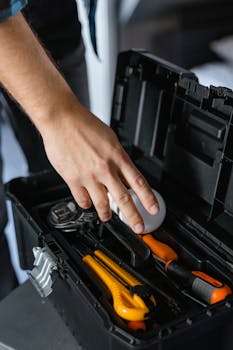
Stick to tools you’ll use regularly: a multi-bit screwdriver set, hammer, adjustable wrench, tape measure, and a small utility knife. These basics help you maintain fixtures, furniture, and basic home needs with little fuss.
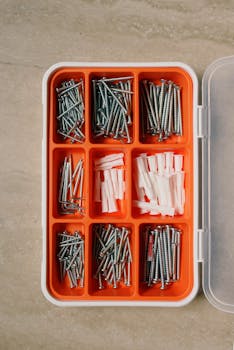
Pair tools with essentials like wall anchors, command hooks, or spare bulbs. This combination covers most tasks you maintain on a regular basis and eases the pressure of minor emergencies.
Organize all supplies in a simple caddy with labeled spaces. Every time you grab what you need quickly, maintaining order will feel less like a chore and more like a win.
Putting Your Toolkit into Real Use
If a chair leg wobbles, pull out your toolkit and tighten the bolts before sitting again. Maintain tools near the affected area to cut down procrastination and frustration.
When a picture frame hangs crooked, adjust or replace the hook with pliers. You’ll maintain straight lines and avoid re-hanging mishaps—another micro moment that reinforces your growing home skill set.
Revisit the toolkit every month: tidy up, return borrowed items, and toss out duplicates. Regular care makes it easier to maintain readiness for upcoming repairs or tweaks.
| Tool | Main Use | Where to Store | Why It Matters |
|---|---|---|---|
| Phillips screwdriver | Tightening screws on cabinets, handles, fixtures | Kitchen drawer | Quick fixes maintain stability |
| Hammer | Picture hanging, tacks, small nails | Utility caddy | Instant mounting without outside help |
| Adjustable wrench | Loose bolts/nuts under sinks | Bathroom cabinet | Maintain vital plumbing connections |
| Lint roller | Coats, upholstery, lampshades | Entry table | Maintain cleanliness in seconds |
| Measuring tape | Furniture, wall spacing | Bookshelf pocket | Accurate measurements maintain order |
Turning Routine Chores Into Skill-Building Moments
Treat each basic task as a training opportunity: swapping a showerhead, plugging a small leak, or patching a wall ding. Trust that maintaining the momentum makes larger projects seem less intimidating over time.
Approach routine jobs as experiments. The more you boldly maintain without outside help, the more robust your DIY instincts become—letting you face new fixes with a steadier hand.
Building Micro Confidence With Each Success
Finish changing batteries in remotes or clocks, then give yourself a mental high-five. Maintaining your home’s basic functions becomes a repeated affirmation that you’re capable and prepared every day.
If a coat hook pulls loose, focus on reattaching it rather than overthinking. You’ll maintain not just the item, but also your belief in handling mini repairs confidently, one action at a time.
Celebrate each win: take a before-and-after photo of a cleaned surface, or cross out to-dos on a chalkboard. Visible progress makes maintaining motivation a natural part of your home routine.
When to Seek Help After Trying First
If you stain a floor or paint a patch but don’t like the result, pause. It’s okay to fall short—you still maintain learning momentum if you know when to stop and get outside input.
Use the phrase, “I gave it my best shot, but it’s time to call for backup.” Maintaining humility is just as valuable as mastering a new task solo, and you’ll improve your judgment with each experience.
Keep a simple log of attempts: what you tried, what worked, and what felt risky. Over time, you’ll refine your instincts and maintain a better sense of when to ask or DIY.
Frequently Asked Questions
- What’s the easiest way to tell if I can maintain something myself?
Look for jobs that use small, familiar tools and don’t expose wiring or plumbing. If you understand every step in your mind, you can likely maintain it yourself. - How can I remember regular maintenance tasks?
Use a calendar reminder or a visual checklist on your fridge. Maintaining consistency works best when you have cues in your daily space or on your phone. - Which household tools should I always keep on hand?
Basic tools include a screwdriver, pliers, hammer, wrench, and tape measure. Keeping them ready lets you maintain most small tasks without delay or extra trips. - What should I never attempt to maintain alone?
Don’t touch major plumbing, heating, or electrical repairs beyond surface-level observations. Avoid anything that could cause leaks, fire, or personal injury. - Is it possible to maintain a home with minimal experience?
Yes—start with very small jobs, watch tutorials if needed, and keep your toolkit handy. With time and care, you’ll maintain ever-larger parts of your home life.