
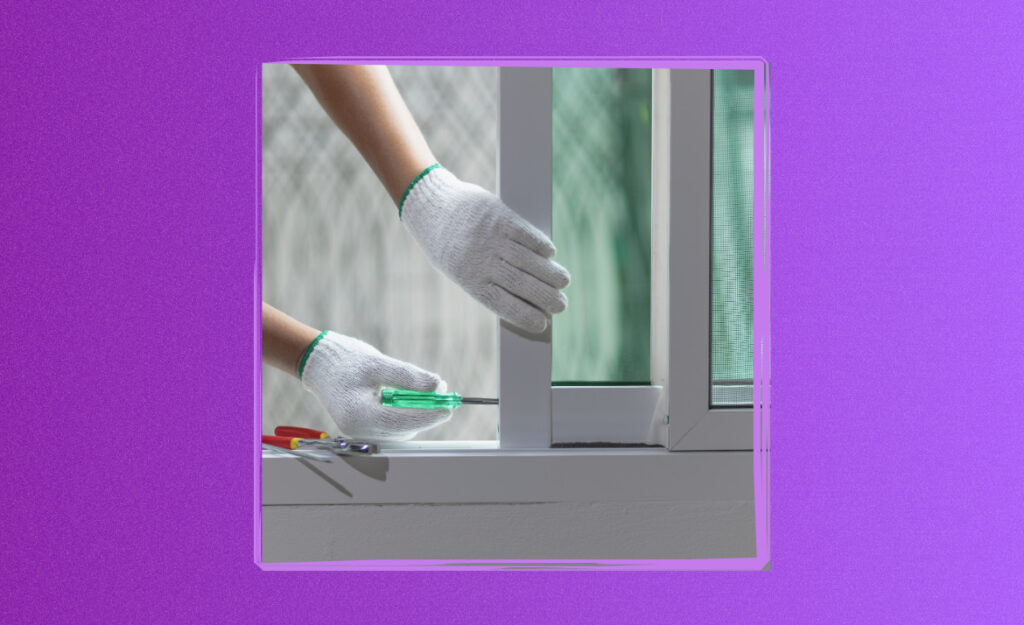
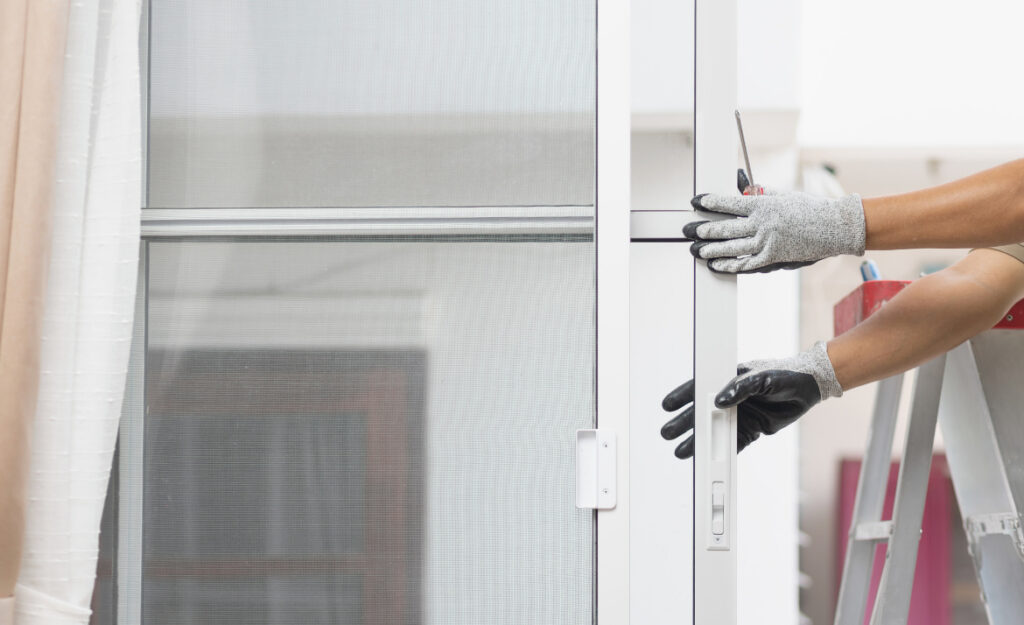
There’s something uniquely frustrating about needing fresh air, only to discover a stuck window refuses to budge. It’s a common homeowner challenge, and many find themselves searching for a stuck window fix in a hurry during stifling afternoons or stuffy mornings.
Windows jam for several reasons: paint, swelling, rust, or misalignment can all play a role. Each problem has its own story, and knowing where to start can feel as tricky as the window itself.
This article guides you through straightforward methods, useful tools, and real-world scenarios—so you can go from frustration to relief with practical, achievable stuck window fix solutions that help airflow return to your space.
Identifying the Source of Window Jams Brings Clarity for Quick Solutions
The first step is narrowing down why your window isn’t moving, as this guides every fix from here. Observing carefully saves time and prevents extra damage from misplaced force or the wrong tools.
A homeowner glancing along the edges might notice thick layers of paint, swollen wood, or a lock refusing to retract. Each observable clue offers a direct route to the proper stuck window fix.
Paint Buildup Can Trap Windows and Hides in Plain Sight
Check for layers of dried paint along the seams where window and frame meet. Homeowners often exclaim, “It’s painted shut!” as they see edges blending into the frame, requiring gentle separation.
Sliding a utility knife blade gently between painted layers can break the seal. If you encounter thick resistance, transition to a putty knife with steady pressure, working small sections at a time.
Imagine a loaf of bread with crust welded tight around the edges—the analogy holds: gently slicing only through the outer layer, not the interior, brings best results here. Don’t force it; persistence wins.
Swelling Wood and Humidity Lead to Seasonal Jams
Run your hand along the window to feel for warping, raised grain, or swollen spots. Homeowners in humid regions especially mutter, “It’s always tighter after rain,” as wood naturally absorbs moisture.
Open adjacent windows to equalize humidity and gently tap the sash ends with a rubber mallet. Minor swelling may need no more—major expansion could require sanding after things dry out.
Picture your favorite drawer sticking in summer, then gliding easily mid-winter. This cycle applies to windows, too. When seasonal swelling occurs, patience and airflow are your allies for gradual relief.
| Symptom | Probable Cause | Initial Tool | Try This Next |
|---|---|---|---|
| Firmly stuck at edges | Paint buildup | Utility knife | Putty knife, gentle pry |
| Sash won’t move after rain | Swollen wood | Fan, gentle tap | Sanding after dry |
| Moves but grinds | Dirt or rust | Vacuum brush | Lubricant spray |
| Lock snaps but window stuck | Latch misaligned | Screwdriver | Re-seat hardware |
| Stuck open or closed | Track jam | Brush, vacuum | Track cleaner |
Releasing Painted Shut Windows Prevents Scratches and Frame Damage
Cutting through layers without harming your window calls for patience and technique. Avoiding rushed prying keeps glass and paint looking sharp—and your window intact for years.
Position a utility knife’s blade directly in the seam where paint bridges sash and frame. Some homeowners report saying, “I can feel it pop as the seal breaks,” a reassuring sign you’re on the right track.
Minimize Chipping With Steady, Guided Blade Movement
Hold the knife at a low angle, not upright. With slow, confident motions, direct the blade’s tip into the paint line, keeping steady pressure on the seam—not the glass nearby.
If the knife resists or catches unevenly, reposition rather than force. Gently wiggling the blade breaks more stubborn bonds. Think of sliding a letter opener under a stuck envelope: technique counts more than force.
Once an edge loosens, a painter’s multi-tool or putty knife is ideal. Slide it in and lever gently, spreading pressure over a wide area to prevent splitting or gouging the wood surface.
Work Around Decorative Molding Without Altering Appearance
Scratching trim lowers the home’s value, so aim for minimal intrusion. Rest a sheet of cardboard under the knife if you’re close to decorative molding—it protects painted surfaces as you work.
After the seam gives way, carefully lift the sash with your fingertips, not fingernails, to spare soft wood and painted finishes. Minor paint lift can be cleaned up later—avoiding gouges is more critical now.
- Slide a sharp blade under painted seams—preserves both sash and frame by unsealing only trouble spots.
- Inject a small amount of window lubricant—frees freshly separated seams and lets the sash glide once it breaks free.
- Tap corners gently with a rubber mallet—shake loose stubborn paint without risking cracked glass or splintered wood.
- Brush away loosened paint chips—clean working space prevents scratches and helps spot missed stuck sections.
- Maintain light, even pressure—avoids bending window tracks and supports a safe, thorough stuck window fix.
After all seams are separated, press lightly along the sash’s bottom rail while steadying the sides. This movement reduces the risk of sudden, jerky motion which might knock the window loose or break panes.
Restore Appearance by Sanding and Touch-Up Painting
If paint has chipped in the process, let the area dry and then lightly sand rough patches. A quick coat of matching paint brings back the clean, seamless look of your window frame.
- Sand only rough, chipped sections—keeps original wood profile intact and ready for touch-up paint.
- Use a fine brush for detail painting—minimizes visible repair areas and supports an even finish.
- Avoid excess paint near moving parts—future jams become less likely when the sliding surfaces remain clean of buildup.
- Sweep away all sanding dust—prevents grit from scratching glass on future openings.
- Test the window’s action one last time—confirms your stuck window fix is durable and prevents repeat issues.
Merely matching the old finish is enough: resistance is usually gone after careful sanding, and airflow returns, making all the effort worthwhile.
Implementing the Right Lubrication Method Keeps Windows Sliding Smoothly
Before reaching for generic sprays, match your lubricant to the window’s hardware and material. A targeted approach saves hassle, avoids mess, and prolongs both frame and track life.
Start by vacuuming dust and debris from tracks and sash edges, then select a silicone-based spray for vinyl or metal, while beeswax or a dry bar suits wood. Apply only a light coating to avoid sticky buildup.
Lubrication Timing Makes the Difference Between Help and Harm
Only lubricate after cleaning; otherwise, grit becomes trapped, acting like sandpaper. Slide the sash up and down to evenly work the lubricant into all moving parts, watching for smooth, easy motion to return.
If your window was stuck from swelling, allow it to dry and shrink first. Lubricating wet or swollen sections encourages long-term sticking, not relief—a timely approach creates lasting comfort.
Monitor lubrication results: repeat applications only if necessary. Over-lubrication attracts dust or leaves residue, especially in outdoor windows exposed to pollen or street soot. Less is more; reassessing after each application leads to a foolproof stuck window fix.
Target Lubrication for Tilt, Sash, and Casement Styles
Tilt windows accept spray lubrication along side channels—spray, then move sash in a tilt action to distribute oil. Double-hung types need lubricant brushed into tracks on both sides, working top-down and bottom-up.
Casement or crank windows often require careful drops of lubricant on the gear mechanism. Rotate the handle several turns, watching for immediate improvement in smoothness and consistency.
When working with older wooden sash, beeswax sticks or specialist window waxes glide into corners using a cloth, lightly buffed to give the ideal, friction-free finish. This method avoids overspray on paint and glass.
Correcting Misalignment Resolves Jams That Seem Mechanical or Cosmetic
Sometimes, the real issue lies in the window being slightly off track, angled, or with hardware shifted from repeated use, settling, or slight impacts.
Look for uneven gaps along the edges when the sash is “closed”—extra daylight on one side signals something out of square. Muscling it open won’t resolve the root cause and may worsen damage.
Resetting the Sash for Square, Balanced Operation
Loosen any visible screws anchoring the window stops—those slim strips along the frame holding the sash snugly in place. A gentle tap with a wood block and mallet realigns the sash.
Tighten screws once the sash sits evenly. Homeowners sometimes remark, “A tiny nudge made all the difference,” as surprisingly small shifts can free a previously stuck window and restore smooth movement.
If hardware feels gritty or doesn’t seat flush, remove and clean handles and latches. Reinstall them in their original holes or new pilot holes if wood is stripped. Fitting hardware firmly guards against future misalignment and guarantees another stuck window fix success.
Adjust Window Stops and Inspect Frames for Hidden Issues
Sometimes, repeated expansion and contraction cause stops to loosen. Use a screwdriver to set stops snug but not tight, so movement is supported without binding.
Check for debris or paint flakes hidden beneath stops, which act like tiny wedges preventing free motion. Cleaning and clearing hidden blockages can restore action with minimal effort.
Survey the frame: push on different areas with the window closed to see how it flexes. Firm, even resistance is a good sign. Wobbling or bowing could mean a deeper issue with framing—re-seating stops may only be a temporary solution.
Using Preventive Practices Ensures Fewer Stuck Window Fixes in the Future
Maintaining smooth-window operation requires regular, low-intensity attention—it’s like flossing your teeth before problems start, rather than fixing things after the fact.
Wipe tracks and sash edges monthly for visible dirt. During spring and fall, inspect for paint flaking or moisture signs, which signal maintenance is due before issues escalate into jams.
Seasonal Checklist for Year-Round Easy Window Operation
- Clean channels in spring—prevent stubborn pollen and dust buildup before it settles for the season.
- Lubricate tracks lightly—oils and waxes applied sparingly keep movement friction-free as temperatures rise.
- Sand and repaint worn spots—prevent splintering and water infiltration that could expand wood or rust metal elements.
- Monitor seals for gaps—weatherstrip replacement avoids drafts and moisture, which cause swelling and sticking over summer.
- Tighten all visible screws and handles—manual checks reinforce alignment, safeguarding against hidden shift or frame sag.
Late summer humidity may expose weak spots, so test each window’s movement once the weather shifts—ripe conditions for preventive stuck window fix tasks that pay off for months to come.
Homeowner Scenario: “It Was Jammed After a Storm, Now It’s Smooth”
Anna noticed her bedroom window stuck after a heavy storm. She followed the stuck window fix method: cleaned the track, dried swollen wood, applied beeswax, and adjusted hardware.
Within fifteen minutes, gentle pressure and correct alignment restored motion—even after being jammed for weeks. She now repeats the process twice a year as part of regular home care, enjoying predictable comfort and fresh air flow.
Her story’s lesson: consistent, practical maintenance prevents that familiar sinking feeling when a window suddenly won’t budge just as you need fresh air most.
Building Confidence for Any Stuck Window Situation
Whether the jam is stubborn paint, humidity-swollen wood, alignment, or debris, understanding the specific stuck window fix steps empowers you to act quickly and efficiently.
Reliable solutions come from observing closely, progressing methodically, and using lightweight tools with patience. Air can flow freely again with just a few guided efforts and ongoing maintenance habits.
Open windows shape not just comfort, but mood and health in your home—making prompt, repeatable fixes a skill worth mastering. Every successful repair replaces stress with satisfaction and daily living with plenty of fresh air.
Frequently Asked Questions
What’s the safest first step for a stuck window fix?
Start by gently inspecting all window edges. Use a utility knife or putty knife to test for paint or debris. Force is not recommended—gentle motion preserves both sash and frame longevity.
Can I use WD-40 on wooden window tracks?
It’s best to avoid WD-40 on wood, as it may leave residue and attract grime. Choose a dry lubricant or beeswax for wooden sash to support smooth, reliable movement without buildup.
What tool should I try if gentle prying doesn’t work?
Transition to a wide, flat putty knife. If the sash still resists, check for deeper swelling or hardware misalignment. Only escalate to sanding if wood is dry and further adjustments aren’t possible.
Are there signs it’s time to replace my window rather than repair?
Cracks, severe warping, or ongoing hardware failure suggest replacement rather than repair. Normal Seasonal jams or minor cosmetic damage are great candidates for the above stuck window fix process.
How can I keep windows working after a stuck window fix?
Routinely clean tracks, lubricate seasonally, and visually check hardware alignment. Proactive care makes windows open easily by preventing the buildup and moisture that create jams, eliminating the need for future emergency fixes.