Return Bridges is an independent credit card comparison platform. We may earn a commission when you click through.
7 Credit Card Myths That Cost Indian Cardholders Rewards
Annual fees, cashback and credit scores are often misunderstood. These seven myths explain what to check before applying.
The most expensive credit-card myth is that a card with no annual fee is automatically the best deal. A free card can earn almost nothing, while a ₹500 + GST card may repay its fee through rewards—but only if your spending matches the earning categories.
Rates and terms shown are representative. Your actual rate depends on your credit profile and circumstances. This is not financial advice — always read the lender's terms before applying.
Quick Picks
Best for everyday online spending: HDFC MoneyBack Plus Credit Card.
Best for Amazon-heavy households: Amazon Pay ICICI Bank Credit Card.
Best for a lifetime-free structure: Axis Bank Neo Credit Card.
Best for avoiding annual fees: IDFC FIRST Classic Credit Card.

Myths About Fees and Cashback
Annual fees and reward rates need to be judged together. A percentage looks impressive until you calculate the rupee value of your actual monthly spend.
Myth 1: A lifetime-free card always beats a paid card
Reality: No annual fee removes one cost, but it does not guarantee meaningful rewards. The HDFC MoneyBack Plus lists a joining fee and renewal fee of ₹500 + GST, according to the HDFC MoneyBack Plus listing. That fee is only sensible if the card's rewards and offers return more than the fee each year.
What to do instead: Multiply your expected annual rewards by their realistic value, then subtract the fee. If the result is negative, choose a free card. If you spend regularly in the HDFC card's bonus categories, the paid structure may still work.
Myth 2: The highest cashback percentage is automatically the best
Reality: Cashback depends on where you spend, which merchants qualify and whether exclusions apply. A high rate on Amazon purchases is less useful to someone who buys groceries locally, while a modest general earn rate can win across a larger spending base.
What to do instead: Review three months of statements before applying. The Amazon Pay ICICI card belongs on the shortlist for households that already spend heavily on Amazon, but the issuer's official card page should be checked for current reward rules and exclusions.
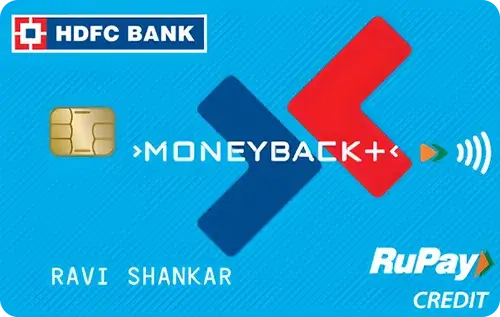
HDFC MoneyBack Plus Credit Card
The ₹500 + GST joining and renewal fees make this a calculation, not a default pick. I'd shortlist it for a cardholder who spends consistently in its eligible reward categories and can recover more than ₹590 in annual fee and tax; someone with scattered spending should compare the free cards below first.
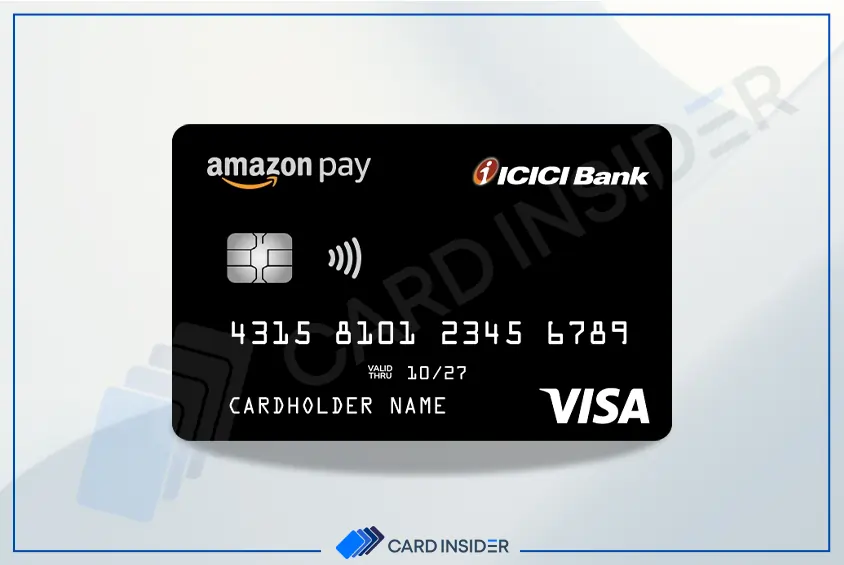
Amazon Pay ICICI Bank Credit Card
Amazon-heavy spending changes the fee maths because this card has no listed annual fee in the supplied details. It is the more logical comparison against HDFC MoneyBack Plus for a household already shopping on Amazon, but buyers should verify the current earn rates, exclusions and redemption terms on ICICI's page.
The first two myths show why a card's headline reward rate is only half the story. Fees, merchant eligibility and your real spending pattern decide the outcome. The next assumptions concern credit scores and the meaning of “free.”
Myths About Credit Scores and Lifetime-Free Cards
Myth 3: Applying for several cards always damages your credit score
Reality: A hard enquiry can affect your credit profile, but the larger danger is applying repeatedly, carrying high balances or missing payments. One application is not a permanent mark against you. Multiple applications in a short period can look risky to lenders, especially when combined with high credit utilisation.
What to do instead: Apply selectively, check eligibility before submitting a full application and keep balances low relative to your limits. Do not open a card merely for a welcome offer if you cannot repay the balance in full.
Myth 4: Lifetime free means there are no costs
Reality: “Lifetime free” usually refers to the joining and renewal fee. It does not erase interest, late-payment charges, cash-advance fees, foreign-currency charges or merchant-specific exclusions. The Axis Bank Neo page currently highlights a lifetime-free offer, according to the Axis Bank Neo product page; the full fee schedule still deserves a read before application.
What to do instead: Treat lifetime-free as one line in the comparison table. Check the regular purchase interest rate, late fees and foreign transaction terms. A free card is useful only when you pay on time and the rewards match your purchases.
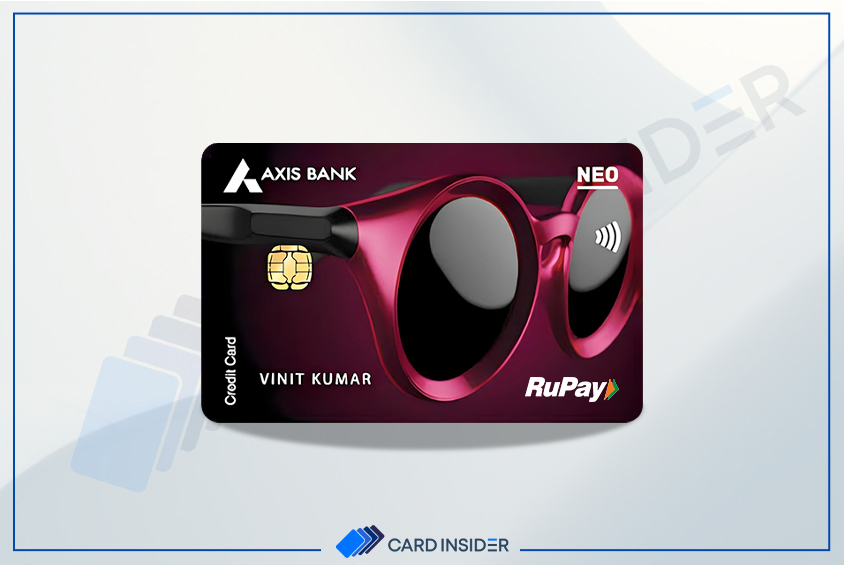
Axis Bank Neo Credit Card
The lifetime-free positioning makes Neo easier to keep as a backup card than HDFC MoneyBack Plus, where ₹500 + GST applies at joining and renewal. Its value depends on the live offer and eligible transactions, so I would verify the current terms rather than assume every purchase earns the same reward.
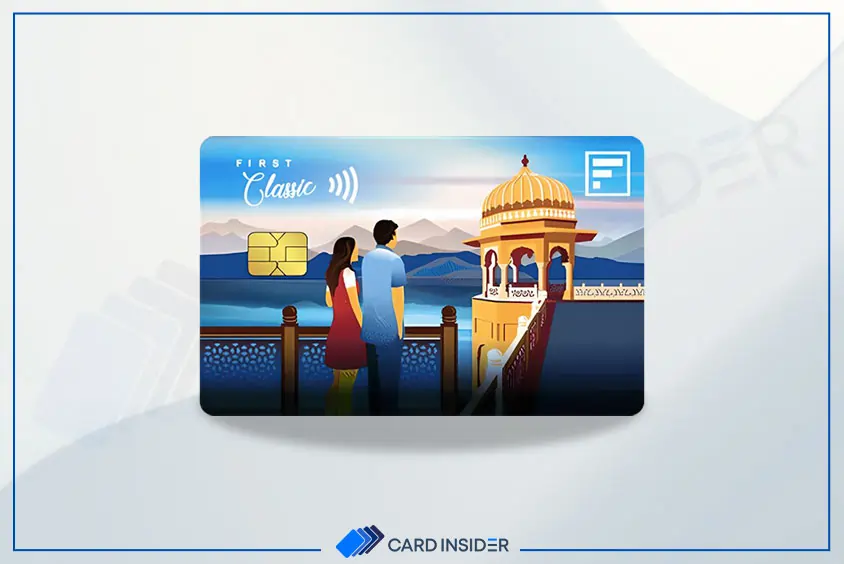
IDFC FIRST Classic Credit Card
IDFC FIRST Classic belongs in the fee-avoidance comparison, but the supplied page extract does not show its current reward rates, fee schedule or welcome benefits. That missing detail is itself a reason to check the bank's official terms before treating it as better value than Axis Neo or Amazon Pay ICICI.

Myths About Rewards, Travel and Repayment
Myth 5: Rewards make carrying a balance worthwhile
Reality: Interest can overwhelm cashback quickly. A reward worth a few hundred rupees is irrelevant if interest and late charges accumulate on an unpaid balance. The best rewards strategy is usually paying the statement balance in full, not chasing a higher earn rate while borrowing at a costly rate.
What to do instead: Choose a card for rewards only after setting up full-payment reminders or autopay. If repayment is uncertain, prioritise a lower-cost borrowing solution rather than a premium points structure.
Myth 6: Every reward point is worth the same amount
Reality: Point value depends on redemption method, minimum thresholds, expiry rules and merchant restrictions. Cashback credited directly to a statement is easier to value than points tied to a catalogue or partner programme. Compare the rupee value you can actually redeem, not the number printed in promotional material.
What to do instead: Ask three questions before applying: how many points are earned per ₹100, what is one point worth at redemption and are there caps or exclusions? The supplied details for these four cards do not provide enough current reward data to calculate a reliable universal winner.
Myth 7: A travel card is automatically better for frequent travellers
Reality: Travel value comes from foreign transaction fees, airline or hotel transfer partners, lounge access and redemption flexibility—not the word “travel” in the card name. None of the supplied product extracts confirms transfer partners, lounge access or foreign transaction fees, so those features should not be assumed.
What to do instead: For overseas spending, verify the foreign transaction fee and exchange-rate markup in the issuer's current terms. For domestic cashback, compare actual merchant rewards instead. A simple cashback card can beat a travel card when you rarely redeem miles or points.
That is the less glamorous truth: the best card is often the one whose rewards you can redeem easily and whose bill you can clear every month.
What Actually Matters
- Annual-fee maths: subtract ₹500 + GST or any other fee from realistic annual rewards.
- Spending fit: a strong Amazon earn rate is useful only if Amazon is where your money goes.
- Repayment: interest and late charges can erase months of cashback.
- Terms: verify caps, exclusions, redemption values, foreign transaction fees and renewal conditions.
- Credit discipline: one carefully chosen application is safer than collecting cards without a repayment plan.
Pick HDFC MoneyBack Plus if your eligible spending can beat its ₹500 + GST renewal fee. Pick Amazon Pay ICICI for Amazon-led household spending after checking its current terms. Choose Axis Neo or IDFC FIRST Classic when avoiding annual fees matters more than maximising a narrow reward category—but do not confuse a free card with a cost-free borrowing habit.
Freelancers need a different calculation because business expenses, tax payments and irregular cash flow can change the value of rewards. Compare those spending patterns in The Best Rewards Credit Cards for Freelancers in 2026.