Building Basic Skills That Reduce Outside Help Over Time
Everyone has a moment where a flickering lightbulb or dripping faucet tempts them to call someone else. Developing everyday knowhow—true, basic skills—lets you skip stress and address these micro challenges head-on at home.
Everyday independence flows from these small, repeated actions. While it’s tempting to lean on professionals or helpers, basic skills for home living cut expenses and interruptions, empowering people to handle routine tasks and decisions with quiet confidence.
As you build up small, repeatable skills, you’ll trim back your reliance on outside help. The following guide reveals specific steps, checklists, examples, and micro-processes for learning basic skills that carry over to real life, every week.
Spotting Simple Fixes You Can Do Solo
Recognizing problems you can safely solve without external help allows you to act sooner and builds true practical skill. Basic skills start with noticing, then trying small repairs in a safe, informed way.
Early on, frustration can mount when you don’t know what to try. But basic skills come with practice—a cycle of noticing an issue, reading a quick guide or label, and acting on it carefully.
Reading Labels and Manuals for Quick Wins
Reading appliance labels or short guides closely gives a shortcut to safe fixes. For example, when you see a dishwasher blinking, a sticker inside the door may tell you to reset it by holding one button. Practice scanning for these helpful instructions next time you tackle a home task; it’s a low-stakes way to build your basic skills and notice solutions yourself.
Many newer home products label moving parts, filter positions, or reset switches. Even without experience, noting these clues grows your confidence. For instance, a washing machine’s cycle guide on its lid clearly tells you which setting to use for which fabric.
Remind yourself to pause before reaching for your phone or calling for help. Check the object itself for diagrams or operating tips first, and try its most basic instruction. Small wins like this lay groundwork for broader basic skills.
Micro-Checklists for Everyday Tasks
Grab a sticky note and jot down the steps for a recurring chore. For example, for changing HVAC filters: 1) Turn off unit. 2) Pop open door. 3) Slide out filter. 4) Insert new one. 5) Close it. These micro-lists break tasks into visible, achievable steps and reinforce your pattern recognition, a core part of basic skills.
Each time you accomplish a step, cross it off physically. This action cements the task in your muscle memory, making the next round feel natural. Over a few repetitions, tasks become less mysterious.
Get into the habit of updating your micro-checklists if you spot snags or shortcuts. For example, “Wear gloves” or “Vacuum area after.” Personalized notes make the process truly your own and reduce outside help later.
| Task | Skill Level Needed | Common Mistake | Takeaway/Next Step |
|---|---|---|---|
| Change Lightbulb | Beginner | Using wet hands | Always dry hands first and twist gently. |
| Unclog Sink Trap | Beginner/Intermediate | Forcing pipe fittings | Loosen gently, collect water in bowl, re-tighten by hand only. |
| Reset Circuit Breaker | Beginner | Not identifying correct breaker | Label breakers and check appliances before resetting. |
| Patch Wall Hole | Intermediate | Using too much putty | Apply thin layers and sand in between for better results. |
| Fix Leaky Faucet | Intermediate | Skipping water shut-off | Shut off water under the sink before starting any repair. |
Making Home Maintenance Less Mysterious
Understanding what needs regular attention and how to approach tiny problems prevents small issues from snowballing. Building a rhythm with these basic skills is the real game-changer.
Start identifying recurring chores—air filter changes, drains, loose screws. Make a simple schedule, then follow it to notice patterns and reduce last-minute emergencies by half.
Choosing the Best Time to Tackle Tasks
Find a natural time—like weekend mornings or right after meals—to tackle two or three micro-tasks together. This mini routine reinforces the habit and normalizes using your basic skills weekly, not just when trouble hits.
- Set a calendar reminder for the first weekend monthly: prevents forgetting air filters, smoke detector checks, or deep cleans. This encourages steady practice.
- Pair routine tasks: wipe counters while you wait for coffee or scan for lightbulbs to replace while dusting, so tasks never pile up.
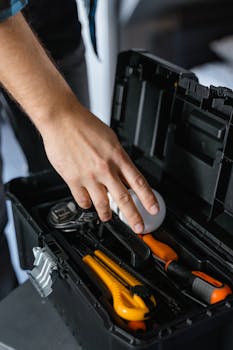
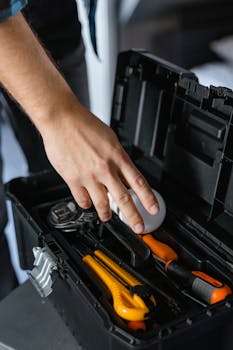
- Draft a repair kit to keep in one spot: tape, pliers, spare bulbs, and gloves. Access matters as much as knowhow for growing your basic skills.
- Check for water leaks when putting away groceries—surprise leaks found early are cheaper and simpler to fix.
- Corral household paperwork: warranties, appliance manuals, contractor cards in one folder. When trouble pops up, your next step is simple and fast.
With these strategies, micro-maintenance tasks blend into home life. Routines help make each skill automatic, contributing steadily to basic skills mastery.
Turning Breakdowns Into Learning Moments
Every home hiccup—door hinge squeak or loose curtain rod—is a chance to observe, test, then act. Watch or listen closely for changes, like a strange vibration or slow drain, as clues for refining your basic skills.
- Approach loud or sticky doors calmly: hold the doorknob, test different pushes, note which screws feel loose or which hinges need oil.
- Spot peeling paint: run your finger along the wall, note dry patches. Decide if sanding or a paint pen fixes the surface—no need for a whole repaint.
- Use short scripts when unsure: “Let me try tightening it,” or “I’ll Google why this isn’t working.” Acting, then learning, is key for cementing basic skills.
- Try easy plumbing: remove sink stoppers to clear hair, then check that the flow returns—this process avoids bigger backups later.
- Trim loose carpet threads with scissors rather than pulling—immediate action prevents runaway rips, which any carpet pro would charge triple to repair later.
Stay curious and keep score of each fix you handle. Progress—even messy progress—builds better basic skills than waiting for outside help by default.
Building Skills Through Mini-Projects Around the House
Tackling a full “to-do” list feels big, but working on micro-projects—organized in bite-size steps—clarifies what’s actually manageable. As you finish each piece, your capacity for basic skills grows.
Breaking a task into start, middle, and finish supplies constant feedback, much like following a recipe. For example, hanging a shelf can become a three-step project: gather tools, mark anchors, then screw into place and check with a level.
Creating Consistency With Templates and Charts
Designate a small whiteboard, spreadsheet, or checklist for recurring skills. Write out needed supplies or the best sequence for assembly, such as “1. Measure twice 2. Drill once 3. Double-check angles.”
Consistency fast-tracks growth in your basic skills. When you revisit the same process, you spot improvements to save time or materials. Even notes like, “Wait for paint to dry fully” help dodge rookie mistakes.
When you see at-a-glance reminders, you sidestep confusion or wasted effort—one small organizational trick speeds up your future tasks, multiplying practical knowhow.
Replay and Refine: Adjusting Processes Over Time
After finishing a mini-project, jot a quick note on what worked or what snagged you. For instance, “Needed two hands for shelf install,” or “Should’ve had extra screws ready.” Integrating tweaks and lessons after each repetition strengthens your basic skills the next time around.
Basic skills compound—each attempt, even imperfect, makes tomorrow’s project smoother. You become your own best reference point. When friends ask, “How’d you do that shelf?” you’ll explain step-by-step, reliving your improvement.
Don’t get stuck chasing perfection on your first try—embrace rough drafts and repetitive upgrades. Over time, humble mini-projects add up to broad, reliable basic skills and practical confidence.
Ready Access to Tools and Basic Materials Matters
Having your essential equipment handy removes the most common barrier to applying basic skills. Save yourself the effort of searching by grouping the basics where you will use them most often.
Clear, visible storage reduces excuses and sparks direct action. If your mini tool kit is visible by the closet or under the kitchen sink, any issue feels more solvable. “Where’s the screwdriver?” turns into “It’s right here—let’s fix this.”
Organizing Your Supplies for Fast Action
Sort tools and materials not by size or price, but by usage frequency. Keep the basics—multipurpose screwdriver, mini hammer, tape, measuring tape—in arms’ reach. Group seldom-used items deeper in cabinets or storage boxes.
If you find yourself searching for the same item twice, upgrade its storage spot. For example, move spare lightbulbs from the garage to the nearest closet. This change alone can double your follow-through on basic skills, since less effort equals fewer delays.
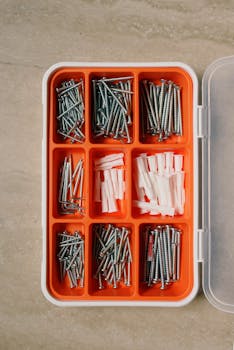
A labeled bin for “soft goods” (gloves, cloth, painter’s tape) versus “hard goods” (screws, pliers, glue) helps everyone in your home quickly find and return tools. Shared clarity enhances collective basic skills.
Why Borrowing Tools Should Be a Last Resort
Using your own tools builds comfort and routine. Each time you pick up a familiar item, you sharpen recall and process. Relying on neighbors or renting slows you down, introduces new learning curves, and puts you back in the waiting game for outside help.
Resist the urge to overbuy, though. A focused set of tools (the basics, not duplicates) encourages you to use what you already know, boosting daily competence. Handle your go-to items regularly for the fastest growth in your basic skills.
Celebrating Small Wins for Lasting Independence
Rewarding yourself for tiny victories—resetting a tripped breaker, patching wall marks—encourages repetition and deepens motivation. Each new fix becomes proof that your basic skills are growing.
Track your improvements visually. Mark completion dates on a wall calendar, start a shared group text with photos, or collect “before and after” snapshots for home tasks. This visible progress breaks long jobs into bite-size victories.
Turn Mishaps Into Teachable Moments
Every attempt, even a not-quite-perfect one, offers a next step to adjust. If you hammer a nail crooked, extract it and try again; this real-life feedback loop ensures your basic skills keep progressing, no matter the outcome.
Even failed first tries teach naming parts, using correct tools, or spotting the right online resource. Support your own learning journey by seeing every home attempt as part of a bigger base of knowledge.
Replace “that was dumb” with “next time, I’ll…” These short reframes move mistakes into productive territory, letting you adapt your basic skills plan for the next round.
Leading Others by Example
When housemates or family see you tackling tasks—tightening a wobbly table or labeling pipe shut-offs—they’re more likely to pitch in or ask how you did it. Demonstrating your approach demystifies home basics for everyone involved.
Give clear, simple explanations as you go: “I’m pressing this button to reset the outlet, watch for the click.” Active demonstration is the fastest way to transfer basic skills and support your collective independence.
Encourage others to join by offering the next task: “Want to try swapping this filter together?” Shared effort multiplies individual gains for everyone in your space.
Bringing It All Together Toward Self-Reliant Living
Learning to apply basic skills in daily home life transforms frustration into quiet self-reliance. Each small task you tackle, from tightening a hinge to patching paint, also builds your ability to handle future issues speedily.
Your home becomes a place where you solve things your way, with personal routines and confidence. Basic skills compound across weeks, letting you stretch your comfort zone and reduce stress, one small fix at a time.
Independence isn’t about doing everything—it’s about knowing where to start, asking better questions, and trying practical steps yourself. Each day you practice, your list of “need to call someone” grows shorter, replaced by a stronger, self-guided toolkit.
Frequently Asked Questions
What are micro lifestyle skills, and how are they different from major repairs?
Micro lifestyle skills refer to the small, everyday actions (like changing a lightbulb or organizing cleaning supplies) you can do regularly to keep your home running smoothly. Unlike major repairs, they usually don’t require special tools or professional expertise. Practicing these helps avoid bigger problems and teaches foundational habits without the overwhelm of tackling huge projects.
How do I start building my basic skills if I’ve never done home tasks before?
Start by picking one recurring task—like swapping air filters, wiping baseboards, or tightening loose handles. Read the instructions, break it into steps, and try to finish from start to end. Each repetition strengthens your ability and makes other basic skills feel approachable. Take photos or make a simple chart to keep track of progress.
Is it risky to try minor fixes myself?
For low-risk, everyday tasks, following instructions and using basic safety principles (like turning off power or water) keeps things simple and safe. Only move up to complex fixes once you’re comfortable and sure you understand the process. If something feels confusing or hazardous, pause and look for more information or assistance.
What tools should I have in a beginner’s home kit?
A small set of basics covers most micro-tasks: a multipurpose screwdriver, pliers, tape, scissors, spare lightbulbs, gloves, and a measuring tape. Store them in one visible spot. Add items as you find specific needs—collect only the tools you use, so you’re motivated to handle simple tasks right away.
How do I get better at these skills without spending too much time?
Fold micro-tasks into your natural routine—like pairing them with daily habits or tackling two things at once when you have spare minutes. Update checklists based on real experiences instead of memorizing tips. Progress grows quickly through repetition, visible reminders, and celebrating even tiny improvements in your basic skills over time.