Everyone’s faced a moment where a loose cabinet knob or a burnt-out bulb turns into an all-morning puzzle. These home tasks sneak up and make us hesitate, even if the fix is usually simple.
Building comfort with home tasks keeps daily life running smoother, removes unnecessary stress, and prevents neglect from small repairs piling up. It’s not about being perfect—it’s about making daily life more manageable.
This article guides you through actionable, bite-sized strategies for tackling basic home tasks while easing mental load. Start feeling more confident with each task, and discover new routines that make home maintenance almost automatic.
Building Momentum With a Quick-Start Approach
Taking action on a simple home task breaks inertia and gets you moving. The goal is making the first step feel lighter so follow-through comes naturally.
Commit to a basic rule: Spend no more than three minutes deciding if you’ll fix or defer a home task. For example, glance at that squeaky hinge and choose this: tighten it now or add it to your weekend list.
Pairing Tasks With Existing Habits
Link routine home tasks to things you already do. Tighten a doorknob after your morning coffee, or wipe down kitchen counters before bedtime. This keeps the mental hurdle low and turns chores into a part of daily flow.
When folding laundry, check if any buttons need sewing. Pairing helps you remember and makes each task feel like an extension of what’s already working.
Next time you unload groceries, toss expired items as you stock the fridge. Action comes from adding a step, not redesigning your whole routine.
Using Visible Reminders As Prompts
Sticky notes or a magnetic pad on the fridge can cue you for home tasks. Write “swap air filter” or “tighten faucet” and place it where you’ll see it during another activity.
Setting your toolkit by the door the night before creates a visual trigger to remind you. The physical presence of tools nudges you towards action the next morning.
Digital reminders work best in pairs: one alert in the evening, and one just before a planned start. Visibility means you won’t forget and won’t overthink the process.
| Task | Best Time To Do | Required Tool(s) | Actionable Takeaway |
|---|---|---|---|
| Tighten cabinet handles | After cleaning the kitchen | Screwdriver | Keep a screwdriver in the kitchen for fast fixes |
| Swap air filters | First day of the month | Replacement filter | Set a calendar repeat ‘air filter’ alert |
| Test smoke detector | After monthly grocery run | Step stool | Check batteries while putting away groceries |
| Declutter mail | Before dinner | Recycle bin | Sort and recycle while waiting on the oven |
| Water houseplants | Saturday morning | Watering can | Add to your weekend breakfast routine |
Breaking Big Chores Into Manageable Wins
Tackling home tasks becomes easier when you break major jobs into smaller, specific actions. Divide weekend cleaning or repairs into sections by room or activity to reduce overwhelm and boost consistency.
For instance, instead of ‘clean the entire bathroom,’ start with ‘wipe sink and faucets’ today, then ‘scrub tub’ tomorrow. Small wins build momentum, laying groundwork for habit-building.
Identifying The Actual First Step
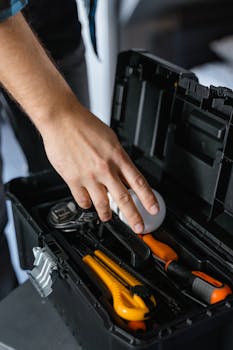
Every home task can be trimmed to a micro-start. If tightening loose door hinges feels like a hassle, decide the exact first action: ‘open the toolbox’ or ‘locate screwdriver.’ This tiny act shifts you into motion.
- Open toolbox before breakfast—gets you started before distractions set in and the task feels less tedious.
- Lay out only the needed tool—reduces decision fatigue and keeps you focused on just one fix at a time.
- Wear comfortable clothes—prepares your body for small repairs and sends an internal cue that you’re ready for action.
- Ask yourself, “Can I complete this in under 10 minutes?”—if yes, do it now and feel immediate accomplishment.
- Turn on your favorite song—transforms a dull repetitive task like wiping windows into a short, pleasant routine.
Completing one step gives you a psychological win. Next time, the hurdle feels lower. Repeat until the bigger task is done.
Progress Logging Without Perfectionism
Track finished home tasks on a notepad, whiteboard, or simple app. Marking each completed task helps you recognize progress, banishes guilt about unfinished chores, and sharpens your routine over time.
- Record just the task and date—no details needed. The point is proof you’ve moved forward, not self-critique.
- Update your checklist weekly—keeps habits visible and reminds you of your track record for home tasks.
- Share small wins with a friend or family member—using phrases like, “Fixed the sink today!” adds a little outside accountability and a reason to celebrate.
- Delete completed digital reminders—seeing lists shrink is its own motivation for your next round of chores.
- Keep a folder of before-and-after photos—these simple visuals create satisfying proof and will inspire you to handle home tasks without delay.
Each method rewards follow-through without aiming for perfect record-keeping. The goal is practical momentum.
Designing Environments for Action and Clarity
Your physical space shapes decisions about home tasks more than you’d expect. Arrange your home with cues and supplies visible so you can act without friction or confusion.
A small toolkit in the main living area makes tackling repairs as simple as grabbing your phone. Placement signals readiness and minimizes excuses before starting.
Minimizing Physical Barriers
Storing cleaning supplies in every bathroom, or bulbs in each room, slashes the tendency to ‘do it later.’ No searching means action happens right away for most home tasks you encounter during your week.
Having a broom by the doorway instead of in a basement closet removes the friction. The easier it is to start, the faster you build competence with home tasks as you spot them.
Consider analogies: Like putting a water bottle on your desk to drink more—all you need is visibility and proximity to make chores more automatic.
Choosing Tools That Support Routine Use
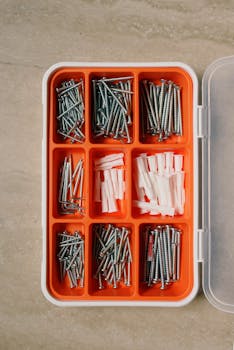
Select tools sized to your space: a compact, multi-head screwdriver or cordless mini-vac stores nearby and serves for multiple quick home tasks on the fly.
Lay them out in a clear caddy or basket. You’ll be more likely to jump in if you see what you need, not just what you wish you had.
Buy extras for high-use items, like sponges or bulbs—this lets you respond right away, instead of adding another ‘to buy’ item to your mental list.
Sequencing Home Tasks for Everyday Resilience
This approach gives you order and predictability, reducing stress even when things go wrong. Sequencing home tasks means designing a repeatable order for chores so nothing is forgotten.
Pick a recurring moment—like Sunday evening, or after you come home from work—to walk through your preset checklist. Over time, your resilience isn’t a mystery. It’s habit.
Cluster Related Tasks for Efficiency
Group similar fixes for one session. Fixing two loose knobs and a squeaky hinge uses the same tools, so knock them out at once. This streamlines effort and strengthens the habit loop.
Your future self will appreciate being able to say, “I batch kitchen fixes on Wednesdays,” and find satisfaction ticking through home tasks logically.
This “one-stop-shop” method lowers on-the-fly decision fatigue, meaning every fix feels easier to start and finish each time.
Set Predictable Triggers to Activate Chores
Tie home tasks like changing filters to easily remembered dates—birthday, holidays, the first day of the month. You’ll attach maintenance to natural reminders, helping you stay consistent without a fancy system.
When cleaning routines share dates with big events, you’ll avoid buildup and enjoy occasions with less prep anxiety. Over time, this anchors positive momentum.
Let home tasks piggyback on these calendar triggers to create maintenance routines that practically run themselves, even as other things change around you.
Celebrating Small Successes to Stay Motivated
Recognizing progress refuels your motivation and keeps the cycle going. Take a moment to notice what went well after a task, whether you fixed a squeak or decluttered a drawer.
Write down what worked, or mentally acknowledge, “That wasn’t as hard as I thought.” Each completed home task deserves a personal high-five. Celebrate—even with a quick snack or a break.
Embracing the ‘Done Is Good’ Philosophy
Perfectionism blocks progress, especially with home tasks. If a repair is safe and functional, count it as a win. Don’t redo it just for aesthetics. Your future self will thank you for prioritizing action over endless tinkering.
Use this mantra: “Done is good enough for today.” Repeat it as necessary when anxious thoughts start to creep in during a project.
The goal: more functional space, less internal criticism. Improvements can come later, but habit comes from action—not from flawless results.
Creating a Visual Record to Reinforce Effort
Take a before-and-after photo, jot brief notes in a dedicated notebook, or mark your calendar when you finish a batch of home tasks. These visual proofs reinforce what you’ve accomplished.
When you look back, a string of check marks or a cleaner room shows a true return on your effort. This feeds a sense of mastery, not just maintenance.
Let each record motivate future tasks—a tangible reminder of your progress across weeks or months. Snapping a picture or crossing an item off your list signals the win.
Refining Your Home-Task Strategy Over Time
No one arrives at the perfect system immediately. Reflect on which methods led to fewer hesitations or forgotten home tasks and build from there, adjusting month by month.
After a few weeks, ask yourself which routines felt easiest and which were skipped. Make note of friction points. The tiny adjustments you make can mean the difference between dread and routine contentment.
Spotting Patterns That Causes Overthinking
Notice thoughts like, “What if I mess it up?” or, “I don’t know where to begin.” These patterns are signals, not failures. When you catch yourself stuck, write down the smallest possible next step. For example: “Find the screwdriver.”
Anchoring home tasks with ultra-specific next steps detaches emotion from the process. Each step, however small, replaces hesitation with light, focused action.
This technique doesn’t erase doubts but helps you handle home tasks more smoothly next time, with a little less second-guessing with every cycle.
Pausing to Celebrate, Then Iterate
As you finish batches or make visible progress, give yourself five minutes to pause—walk outside or make tea. Brief breaks signal to your brain that effort is valued and you can resume recharged.
Next, keep refining your process by streamlining what worked. If Sunday checklists meant fewer repairs lingering, stick to that pattern and consider making it a standing appointment.
Iterate based on reality, not theory. Adapting to what genuinely fits your home life is the ultimate way to make home tasks manageable.
Frequently Asked Questions
What if I don’t have the right tool for a home task? Borrow, improvise, or ask a neighbor using clear wording like, “Could I use your adjustable wrench for ten minutes?” If the task isn’t urgent, list it and gather supplies next time you’re at a store. Over time, build a basic toolkit for recurring fixes.
How should I prioritize multiple home tasks? Sort by what is essential for safety, comfort, or preventing damage. Quick wins (under ten minutes) come first. Document larger or lower-priority tasks for later. Keep this running list visible so nothing gets forgotten or buried under stress.
What if I make a mistake or the task doesn’t go as planned? Accept mistakes as learning. If a fix doesn’t hold or you feel unsure, pause, research the right method, or ask someone you trust. Growth comes from each attempt. Perfection isn’t the goal—consistency is. Adjust your strategy for next time.
How do I keep from procrastinating on small home tasks? Pair the task with a daily habit or anchor it to a time of day, like “change lightbulb while morning coffee brews.” Start with micro-steps: set out the tool, then try the fix. Small, specific triggers disrupt procrastination.
What’s the best way to track what needs attention around the house? Use visible checklists, a whiteboard in the kitchen, or a phone app. Update as tasks arise or finish. Group tasks by room for clarity. Review the list once a week so even forgotten or minor issues don’t snowball.