
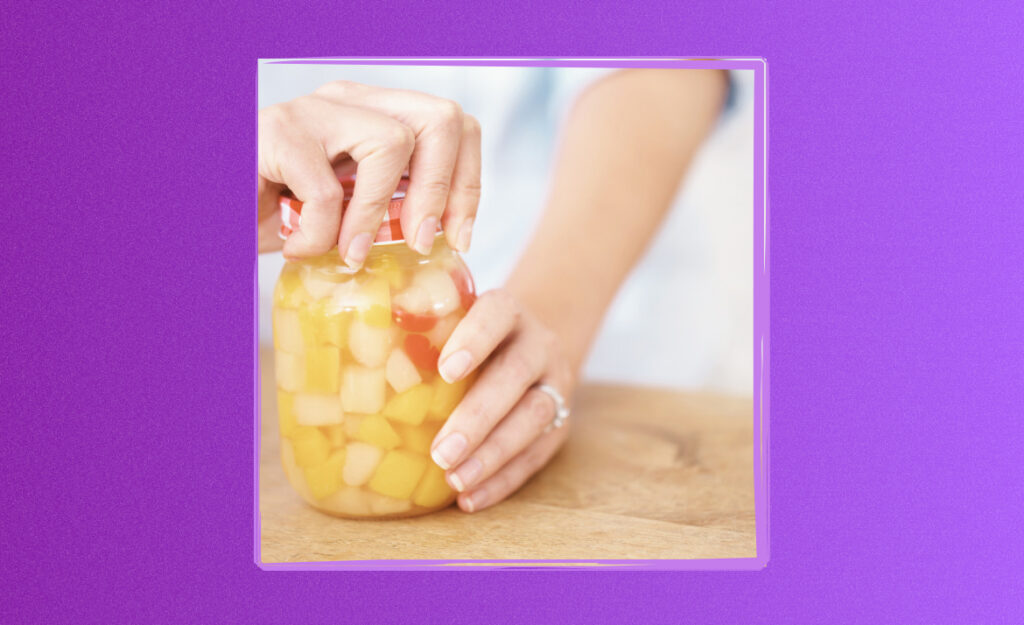

Few household tasks feel as predictably frustrating as meeting a stubborn jar lid. Just when you expect a snack, a tight seal halts your plans. Many of us have wrestled with the challenge to open tight jar lids—they test patience, not just strength.
Struggling with a stuck jar goes beyond inconvenience. It ruins meal prep momentum, disrupts family routines, and can even risk a hurt wrist when muscle alone fails. Fortunately, smart techniques bring better results than brute force.
This guide unpacks easy, expert-backed ways to open tight jar lids using items you already have. Read on to discover clever hacks, gentle methods, and what to avoid for safe, mess-free results.
Tried-and-True Tactics That Open Even the Tightest Jar
Readers want a jar open fast, with no hand pain or mess. By sticking to proven tactics, almost any lid stands no chance. Let’s break down trusty moves and why the old “tap it on the counter” still wins hearts across generations.
Approaching this challenge with a blend of tradition and new ideas gives you flexibility and less frustration when you open tight jar lids at home.
Use a Dish Towel Trick
Grab a clean dish towel and fold it over the lid for a better grip. Rest the jar on a steady surface, like a countertop, for control—no awkward arm angles needed.
Hold the jar base steady with one hand while you twist the towel-covered lid with the other. This material encourages friction and spreads force, so less slips or strain.
Say out loud, “I’m squeezing, not yanking.” This cue keeps your grip steady and gentle, just enough pressure to break the seal without pain.
Apply Gentle Tap-and-Twist
Lightly tap the jar lid’s edge on a wooden cutting board. Rotate the jar and tap all around the lid—this breaks any sticky food built up under the lid’s threads.
After tapping, keep the jar upright and grip the lid. Try a controlled twist. This micro-movement can work loose a stubborn vacuum seal for easier opening.
A classic analogy: tapping a stuck ketchup bottle loosens sauce; tapping the lid gently helps break the vacuum. Do not bang hard—small, even taps protect the glass.
| Technique | Best Tool | Time Needed | Takeaway for Readers |
|---|---|---|---|
| Dish Towel Twist | Dish Towel | 5-10 seconds | Best for initial attempts, boosts grip safely. |
| Rubber Band Grip | Wide Rubber Band | 10 seconds | Useful when sweaty hands are the problem. |
| Tap-and-Twist | Wooden Board | 10-20 seconds | Breaks sticky residue for persistent lids. |
| Hot Water Run | Tap Water | 30 seconds | Expands metal lids, shifts vacuum safely. |
| Pry with Spoon | Table Spoon | 15 seconds | Best as a last resort, avoid glass stress. |
Gripping Strategies That Protect Your Wrists
Using solid grip techniques opens jars without risking a sore wrist or pinched skin. Employ these strategies to keep every attempt controlled and safe, especially for kids or those with less hand strength.
Utilizing home items, such as rubber bands or gloves, increases friction, so you redirect effort efficiently. If one approach fails, switch fast for better results—not longer struggles.
Towel-and-Rubber-Band Duo
Wrap a thick rubber band around the lid’s edge, then cover it with a dish towel before twisting. This combo reduces slipping drastically, even with oily or wet lids, giving you full control to open tight jar tops.
- Wrap a rubber band first—adds grip instantly
- Cover with dish towel—prevents hand fatigue
- Stabilize jar base—avoids mishaps or dropped jars
- Twist gently—reduces glass risk
- If needed, repeat with a dry towel for stubborn lids
This trick works especially well at outdoor picnics when hands get sweaty. Always keep extra towels and rubber bands nearby.
Latex Gloves and Gripper Pads
Slip on latex gloves or use a silicone jar gripper pad for even better traction. Dry hands let you grip the jar lid and twist open tight jar tops effortlessly—even if arthritis, injury, or moisture weakens your grip.
- Choose latex or rubber gloves—maximum friction with minimal effort
- Grip pad for glass jars—spreads force, reduces wrist pressure
- Touch jar base only while twisting—prevents slippage
- Change angle if resistance remains—find the sweet spot
- Finish with towel if it slips—improves last bit of control
Even with sensitive skin, these options won’t dig into fingers. Find which grip feels best, and you’ll never dread tight jar scenarios again.
Temperature Tactics: Using Hot and Cold to Your Advantage
Introducing heat or chill changes the lid’s expansion, often freeing stuck seals. When opening a particularly stubborn jar, a quick temperature shift can break the vacuum and help open tight jar lids smoothly.
Fast adjustments require household materials and minimal prep, so you spend less time stuck and more time enjoying the contents of your jar.
Hot Water Method for Metal Lids
Hold the metal lid under a stream of hot tap water, rotating slowly. This softens sticky sugars or syrups that lock lids down tight, making the next twist much easier.
Dry the jar thoroughly before twisting. Use a rubber band or towel for extra grip if you notice any condensation. Try lifting the lid with a pop sound signifying seal release.
People often say, “the lid clicked”—a sign of effective heat use. If no sound, try once more or combine with a gripper tool for best results.
Ice Cube Shock for Plastic Lids
For plastic lids, fill a sandwich bag with ice and wrap it around the lid for twenty seconds. The cold causes the plastic to contract, breaking the jar’s suction effect.
After removing the ice, use a dry cloth for grip. Be gentle, as sudden force may crack thinner plastic. If you hear a faint pop, the lid should turn easily.
Use this when dealing with putty-thick peanut butter or syrup jars. Kids can help safely—just supervise the actual twist and remind, “slow and steady wins the jar.”
Safe Tools You Already Own for Stubborn Jar Lids
Household tools lift tight lids in a pinch without fancy gadgets. If your hand tools live in a kitchen drawer or garage, you can open tight jar lids with a little ingenuity and care.
Most objects used here work best for glass jars with metal lids, where a safe prying motion trumps brute force. Always inspect jars for cracks before starting.
Spoon-and-Leverage Technique
Slide a sturdy table spoon’s bowl under the jar lid’s edge. Wiggle gently, prying upward until you hear a faint hissing sound—this means the air seal is broken.
As soon as you sense movement, set down the spoon and grasp the lid with a towel. Twist gently, and you should succeed even if previous efforts failed.
Pretend you’re opening a paint can but with less force—just enough upward lift to let air in. This trick can also prevent sticky leaks from popping jars open too quickly.
Butter Knife Nudge for Ancient Jars
For incredibly old jars, carefully slide the tip of a butter knife under the rim. Twist the knife softly—never jab or force—to avoid damaging the thin glass or metal threads.
Once you hear a hiss, stop prying and turn the lid by hand or towel. Use this sparingly, reserving for rare, super-stuck scenarios or holiday jams that haven’t seen sunlight in months.
Never use sharp blades on jar tops; butter knives minimize risk. Get in the habit of stating, “I’m prying, not poking,” as a reminder to keep things safe.
Storing Jars for Future Ease & Stress-Free Access
Simple, thoughtful storage methods make opening jars seamless next time. By preparing jars while shelving them, you reduce the chance you’ll struggle to open tight jar lids later.
Store jars upright with lids on loosely—don’t overtighten after putting away. A clean, dry rim prevents sticky build-up that causes classic kitchen frustration mid-recipe.
Check Inventory Before You Seal
After each use, make sure the lid rim and threads are spotless. Wipe with a dry towel or napkin to remove residues and crumbs that lead to sticking. Jars last longer when maintained properly.
Consider adding reminder notes—like “twist, don’t press”—on commonly stuck jars, especially canning jars. Family members will appreciate the tip, and future-you avoids an unnecessary struggle.
Adopt this ritual: “Before storing, wipe and loosen”—a preventive motto ensuring every family member enjoys stress-free snack access down the road.
Organize Pantry for Better Access
Group heavier jars at eye level for safer handling. Reserve the lowest shelf for fragile or oddly shaped jars, which helps prevent accidental drops when trying to open tight jar lids.
Label shelf zones by food type (sauces, pickles, jams) so everyone knows where items live. This keeps repeat use organized and minimizes searching or jostling that can jam lids again.
Keep a jar gripper or towel in a visible spot for fast access. Organizing your pantry this way sets you up for smooth, frustration-free opening every time.
No-Fail Methods to Prevent Struggle Next Time
Adopting prevention strategies means less future frustration. By setting routines that minimize residue build-up and practicing gentle tightening, you’ll almost always open tight jar lids without stress.
Let’s unpack kitchen-tested habits for quick, frictionless access every time you crave something from a jar.
- Wipe jar rims before recapping—sticky residues attract dust and glue lids shut
- Twist jars shut just until snug—avoid overtightening after use
- Store jars somewhere cool—heat expands contents, creating stubborn suction
- Add a reminder note—gentle handling reduces future sticking
- Designate a jar gripper spot—no hunting for helpful tools, ever
For new jars, tap the lid gently after breaking the seal; this distributes pressure evenly and reduces sticking down the road. Avoiding abrupt force helps jars last longer and makes every meal opener-friendly.
Resolving Stuck-Lid Emergencies With Calm and Confidence
If a jar’s truly stuck and you’ve tried everything, pause and reset. Switching techniques—never repeating failed attempts—protects the lid and your patience. This plan works best for mid-recipe emergencies.
Briefly recall all methods used. If you’ve tried towels, heat, and tapping, don’t repeat those. Instead, reconsider storage or ask another person to help. Calm, measured actions avoid broken glass or splattered food.
Try “Team Jar” for Tricky Lids
Invite another person to hold the jar while you twist the lid, or vice versa. Friendly teamwork divides the effort and often nudges the seal just enough for a clean opening.
Verbally coordinate: “Ready, steady, twist left.” Synchronizing movement saves energy and prevents frustration-driven fumbles. Alone? Try switching hands and techniques, observing how your body moves best.
Keep this approach light; laughter helps. And if the jar won’t budge, it’s okay to move on and try later, rather than risk a spill or injury.
Frequently Asked Questions
What’s the fastest way to open a tight jar?
Using a wide rubber band for grip plus a dish towel, twist steadily. For metal lids, running hot water over the edge expands the lid and loosens the vacuum quickly. Both take only seconds.
Is tapping the lid safe for all types of jars?
Tapping works well for thick glass jars with metal lids, but avoid hard surfaces for thin or decorative jars. Always use a wooden cutting board and rotate the jar for even tapping pressure.
Can I use tools if I have weak hand strength?
Yes—silicone jar grippers, rubber gloves, or a spoon used as gentle leverage help those with less grip strength open tight jar lids safely, minimizing strain or discomfort during meal prep.
How can I prevent jar lids from getting stuck in the first place?
Always wipe jar rims and threads before recapping, and twist the lid snug instead of overtight. Cool, dry storage reduces future sticking, and a routine check keeps lids easy to open.
What should I do if none of these methods work?
If both grip and heat fail, pause and check for cracks. Then try teamwork or gently prying with a spoon. If still stuck, revisit the jar after a break, as patience prevents injury.