
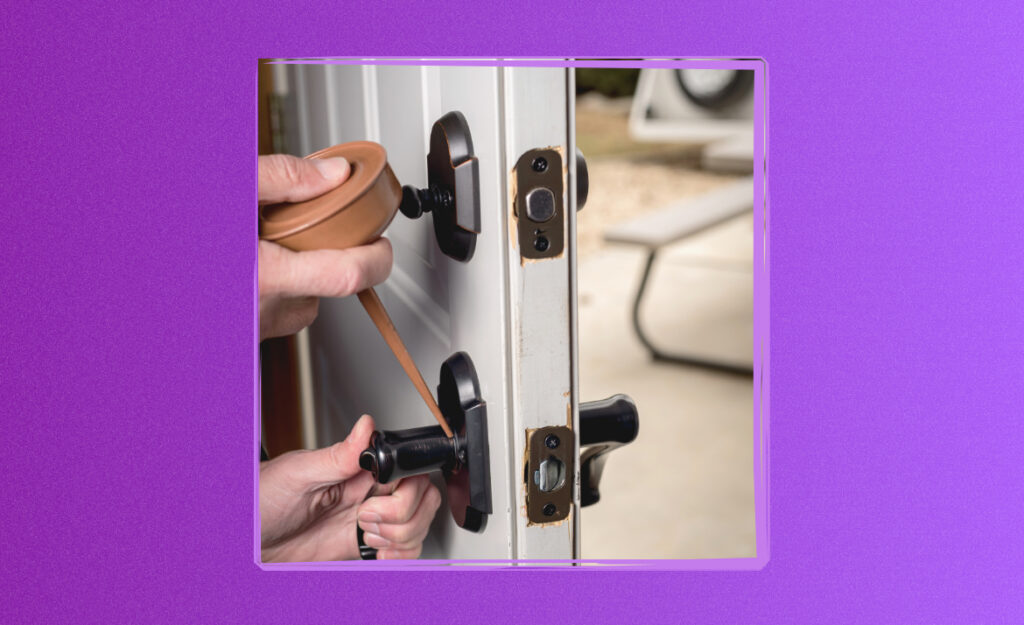
A squeaky door can unravel the calm in any home, rattling nerves with every open and close. Amid busy routines, the distraction mounts and, before long, the need for an effective squeaky door fix takes center stage.
Fixing a squeaky door matters because noise pollution, even on a small scale, disrupts rest and concentration for everyone indoors. Reducing these daily irritants improves focus, sleep quality, and household harmony.
This guide offers proven, actionable steps that silence a squeaky door instantly, without specialized tools. Inside, you’ll find practical tips, checklists, and solutions tailored to real households dealing with persistent hinge noise.
Pinpoint the Source: Zero In for an Accurate Squeaky Door Fix
Effective squeaky door fixes start by identifying exactly where the noise emerges. Not every squeak, pop, or creak has the same solution, so this first step guides your effort.
Listen and observe as you open and close the door. Sometimes, squeaks occur at different angles. While light closing causes a faint sound, a firm push may make it screech. Take note.
Observe Door Movement in Natural Light
Stand on both sides of the door, watching for unusual hinge movement. If the hinge slightly lifts or the door drops, friction builds up and a squeak emerges. Note whether the sound comes from the top, middle, or bottom hinge.
Natural sunlight can reveal dust or oxidation buildup at hinge pins or seams, especially where the metal meets the frame. These visual cues help target your squeaky door fix on the exact trouble spot.
Once you spot misalignment or buildup, you know where to focus. Mark lightly with masking tape to remember, and you’ll address the real source without guesswork.
Listen for Consistency in Noises
A consistent squeak usually signals a dry hinge, while an irregular scraping suggests debris. Replay the sound by moving the door a few inches at a time. Isolate the repetition to guide your repair actions.
If the squeak varies based on door speed, it may involve the hinge pin. If the sound only appears near the frame, misalignment is likely. Use this tactic to ensure you aren’t over-lubricating or fixing the wrong part.
Apply your observations to select the sequenced fix that follows. Matching repair efforts to the source minimizes wasted time and maximizes quiet results.
| Symptom | Common Cause | Visual Clue | What to Do Next |
|---|---|---|---|
| Single loud squeak | Dry hinge | Metal looks dull | Lubricate hinge pin |
| Multiple soft squeaks | Dust or dirt | Greasy or dark residue | Clean hinge thoroughly |
| Grinding sound | Bent components | Door tilts | Tighten hinge screws |
| Squeak near frame | Misalignment | Gaps visible | Adjust hinge placement |
| Squeak during slow open | Rust formation | Reddish stains | Remove pin and clean |
Prepare for a Mess-Free Squeaky Door Fix
Preparing your space prevents extra cleanup and ensures precise results. Thoughtful preparation saves time and boosts confidence in every step of the squeaky door fix process.
Clear access around the door. Remove rugs, furniture, or valuables nearby, as lubricant might drip when working on hinges. Lay down old towels or paper to catch mess and protect floors.
Gather the Right Supplies Before Starting
A smooth repair relies on having proper tools ready. Assemble the essentials: a screwdriver, a lint-free cloth, all-purpose cleaner, and your chosen lubricant. Include a step stool for hard-to-reach hinges and some gloves for easier cleanup.
- Place screwdrivers and lubricant within arm’s reach to avoid tracking grime through the house.
- Keep a trash bag handy for used towels or debris after cleaning hinges.
- Have several clean cloths available, since excess lubricant or solution can spread easily.
- Position tools along the wall, out of the main walkway, so you don’t trip mid-repair.
- Use a shallow dish to hold removed hinge pins, keeping them from rolling away or collecting dust.
A little preparation supports a smooth workflow and reduces end-of-task fatigue.
Protect Door and Surrounding Area
Shield the door paint with painter’s tape if you use spray lubricants. Tape prevents oil streaks or cleaning solution splashes from marring wood finishes. Wipe hinges first with a dry cloth to limit drips during application.
- Cover the floor beneath the door using thick newspaper or a plastic mat, catching any run-off.
- Tape the wall behind the door on both sides if your door swings wide.
- Position towels along the frame’s lower corners to absorb excess liquid during rinsing.
- Don latex gloves before handling chemicals or strong cleaners to protect your skin.
- Only work on one hinge at a time, so you always support the door and avoid accidental tipping.
Following these preventive little steps means your clean-up never takes longer than the fix itself.
Apply the Most Effective Lubricants for a Lasting Squeaky Door Fix
Lubricant selection defines lasting success in silencing squeaky doors. Using household oil might deliver temporary relief, but selecting a dedicated hinge lubricant ensures a long-term fix you won’t need to repeat.
Spray lubricants with thin, directable straw applicators work well for most interior doors. For exterior or garage doors, heavier grease offers better moisture resistance.
Direct Application On Problem Hinges
Use short bursts with the spray straw or carefully drip oil at the hinge seam. Wipe away excess to prevent splatter onto wood or trim. Move the door back and forth to distribute oil deep into the pin.
Lubricant sprays with PTFE coat hinge surfaces more evenly than vegetable oils and last longer between applications. Opt for products that mention hinges or door hardware on their label for the best results.
Repeat application if the first pass only partially reduces the squeak. Persistent noise sometimes needs two rounds. Testing after each round pinpoints completion—only stop once the door glides in silence.
Alternative Household Fixes That Work
In a pinch, a bar of dry soap or a candle can silence minor squeaks. Rub the soap or candle wax directly along the exposed hinge pin for temporary lubrication. For apartment dwellers, this trick is quiet and leaves no odor.
Petroleum jelly, applied with a cotton swab, can work in the absence of a dedicated lubricant. This technique requires working the door multiple times so the jelly fuses into the hinge without leaving visible clumps.
If you try an unconventional product, monitor the hinge weekly for tackiness or buildup. Repeat cleaning and switch to a dedicated squeaky door fix lubricant for persistent problems.
Tackle Buildup and Corrosion for a Squeaky Door Fix that Lasts
Cleaning removes debris, dust, or minor rust—renewing the hinge’s smooth function longer than lubrication alone. Systematic cleaning restores the hardware’s integrity, ensuring the squeaky door fix doesn’t fade as the week goes by.
Disassemble one hinge pin at a time, tapping gently from underneath using a screwdriver and mallet. Lay hardware on a towel. Spray or soak in cleaning solution, then scrub with a soft brush to remove grime.
Check for Hidden Residue and Rust
Look for reddish, flaky residue along the pin or inside the hinge knuckles. Rust weakens hinges over time, causing deeper squeaks and even sticking. Mix baking soda and water for a quick, abrasive paste. Apply, scrub, then rinse with a damp cloth.
For heavier corrosion, a drop or two of white vinegar dissolves buildup that soap alone won’t touch. Dry thoroughly before applying lubricant—a wet surface traps dust and the squeak quickly returns.
With every cleaning, test the door after reassembly. An extra minute for drying and re-lubrication pays off in silent, strong hinges.
Assess Alignment and Hardware Wear
Clean hardware sometimes exposes pin bends or uneven knuckle wear. If you notice a crooked pin or the hinge doesn’t sit flush, use pliers to straighten or replace it. Hardware stores carry universal replacement pins at low cost.
Reinsert the pin, checking the door’s swing. Feeling a consistent rub or resistance after cleaning and lubrication means hardware replacement is best. Always prioritize safety—don’t force old components back into place if they won’t seat smoothly.
Replace any hinge showing cracks or extra movement beyond the pin. This step prevents future squeaks and changes the feel of your door dramatically.
Adjust Door Alignment for a Permanent Squeaky Door Fix
Shifting hinges or door sag creates recurrent squeaks, even after lubrication. Securing the hinges and correcting misalignment improves sound and protects surrounding trim from wear.
Check if the door rubs the frame at the top or bottom. Most squeaky door fixes require tightening or repositioning the hinge to restore flush contact with the frame.
Tighten Hinge Screws Methodically
Use a Phillips-head screwdriver to tighten each hinge screw, starting at the top. Grip firmly and avoid over-tightening, which can strip hardware or damage wood. Screws that turn endlessly or sit loose may need longer replacement ones.
Install new 2-inch wood screws if the old ones won’t grip. Angle each screw into fresh wood behind the jamb. This method stabilizes a sagging door and secures hinges prone to loosening with regular use.
Test the door after each adjustment by closing and opening with normal force. Listen for changes in the squeak’s tone and location, repeating tightening as needed until the noise disappears.
Use Shims to Fine-Tune Alignment
If tightening screws doesn’t correct rubbing, fit thin cardboard or plastic shims behind the hinge leaf. A snug fit realigns the hinge’s axis with the frame, changing the angle just enough to stop squeaks.
Cut shims to size and slip behind the hinge leaf attached to the frame. Reattach the screws tightly, checking that the door edge lines up evenly with the frame above and below the latch.
When shimming, do one hinge at a time and evaluate after each. Small changes produce major sound differences, and patience ensures you don’t go too far. Enjoy the feel of a perfectly aligned, silent swing.
Routine Maintenance Strategies to Prevent Squeaky Door Recurrence
Building door maintenance into your regular cleaning routine keeps hinges silent year-round. A scheduled check is easier than recurring squeaky door fixes and helps catch issues before noise returns.
Incorporate hinge inspections bi-monthly or whenever dusting high-traffic areas. A quick visual scan highlights dust buildup, loose screws, or discoloration that signals rust or alignment problems.
Quarterly Lubrication Checklist
Apply fresh lubricant every three months using a minimal, direct approach. Check each hinge, wipe away excess, and swing the door for even coverage. Keeping up with this maintenance rule keeps doors silent and extends hardware life.
Clean up stray dust with a microfiber cloth so buildup never has a chance to interfere. Promptly tighten any screws that seem loose to maintain the original fit and finish.
Add hinge checks to your seasonal cleaning checklist for consistency. Setting reminders ensures squeaky door fix routines become second nature, making peace and quiet routine.
Address Environmental Factors Proactively
Beyond cleaning, control humidity in entryways or bathrooms where moisture speeds up rust. Consider a dehumidifier or exhaust fan if your area regularly stays damp. This tweak prevents squeaks by protecting hinge metals from oxidation.
For doors exposed to cold drafts or direct sun, verify weather stripping and make small adjustments to the hinges as seasons change. Even minor temperature swings can loosen hardware, so a once-per-season check smooths over small issues.
An alert approach turns squeaky door fixes into preventive care, saving time in the long run.
Wrap-Up: The Practical Path to a Squeak-Free Home
With proper diagnosis, thorough cleaning, and smart lubrication, anyone can achieve a squeaky door fix that delivers instant and lasting quiet. Every section here built your skills to act quickly and confidently.
Addressing squeaks transforms day-to-day routines, promoting a calmer home environment and eliminating low-level stress triggers. Regular checks and maintained hinges set the stage for peace of mind and a welcoming atmosphere.
Return to these steps anytime you hear that familiar door sound. Taking action at the first squeak ensures your space remains serene and interruption-free for months to come.
Frequently Asked Questions
What lubricant works best for a squeaky door fix?
Use a PTFE-based spray or dedicated door hinge lubricant for lasting quiet. Avoid vegetable oils, as they attract dust and need reapplication more frequently than hardware-specific solutions.
Does removing the hinge pin help eliminate squeaks?
Yes, pulling the hinge pin allows for deep cleaning and thorough lubrication. Tap it out carefully with a screwdriver and mallet, clean with a lint-free cloth, and lubricate before reassembly for the best results.
Is it safe to use WD-40 as a squeaky door fix?
WD-40 works for quick relief but is best followed with a proper hinge lubricant, as its primary role is water displacement. Prolonged use alone can attract dust, reducing effectiveness over time.
What if my door squeaks after tightening the screws?
If squeaks persist, try cleaning debris from the hinge, lubricating, or inserting a shim. Each step addresses different causes: dirt, friction, or misalignment, so combine approaches for stubborn noises.
How often should I maintain my door hinges?
Check hinges every three months for best performance. Clean and lubricate as needed, tighten loose screws, and replace hardware showing wear. Routine care prevents squeaks and extends hardware lifespan significantly.